From Emissions to Equity: Implementing Robust Carbon Offset Solutions

operations manager carbon credits

phoenixr77 An field emissions specialist in a white safety he 65105207 ecb5 4cc6 a100 8b0c762935ce 1 - From Emissions to Equity: Implementing Robust Carbon Offset Solutions

In the contemporary business landscape, carbon offset management has become a pivotal strategy for organizations striving to achieve sustainability and adhere to evolving regulatory standards. This comprehensive approach involves not only compensating for greenhouse gas emissions through investments in environmental projects but also integrating advanced technologies and strategic planning to effectively reduce an organization’s carbon footprint.

Understanding Carbon Offset Management

Carbon offset management encompasses a series of actions aimed at balancing emitted greenhouse gases by funding initiatives that either prevent the release of emissions or actively remove them from the atmosphere. These initiatives range from reforestation and renewable energy projects to advanced carbon capture and storage technologies. By participating in such programs, companies can neutralize their environmental impact, thereby contributing to global efforts against climate change and enhancing their corporate social responsibility profiles.

Strategic Implementation of Carbon Offset Initiatives

A successful carbon offset strategy is multifaceted, involving several critical steps:​

  1. Comprehensive Emissions Assessment
    The foundation of any offset program is a detailed understanding of the organization’s current emissions. This involves rigorous data collection and analysis to quantify emissions across all operations, identifying key areas where reductions are feasible. Accurate measurement is essential for setting realistic reduction targets and determining the volume of offsets required.

  2. Integration into Business Operations
    Carbon trading should not be viewed as a standalone effort but rather as an integral component of the organization’s overall sustainability strategy. This integration ensures that offsetting efforts align with broader business objectives, facilitating cohesive and effective environmental stewardship. Engaging stakeholders at all levels fosters a culture of sustainability and promotes collective responsibility.

  3. Selection of Verified Offset Projects
    Investing in credible and certified offset projects is paramount. Organizations must conduct due diligence to ensure that selected projects adhere to recognized standards and deliver measurable environmental benefits. This not only guarantees the legitimacy of the offsets but also enhances the organization’s reputation among consumers and regulators.

  4. Transparent Reporting and Communication
    Maintaining transparency in offset activities builds trust with stakeholders and the public. Regular reporting on emissions, offset investments, and the tangible impacts of these actions demonstrates accountability and reinforces the organization’s commitment to sustainability.

Leveraging Technological Advancements

The role of technology in carbon offset management cannot be overstated. Innovations in this field have revolutionized how organizations approach emissions reduction and offsetting:​

  • Carbon Management Software
    Modern platforms offer sophisticated tools for tracking emissions in real-time, analyzing data, and generating actionable insights. These systems facilitate accurate accounting and streamline the process of identifying reduction opportunities, making the path to net-zero more attainable.​

  • Blockchain Technology
    The adoption of blockchain enhances the transparency and security of carbon credit transactions. By providing an immutable ledger, blockchain ensures the integrity of credits, reduces the risk of fraud, and fosters greater confidence in the carbon markets.​

phoenixr77 A professional field emissions specialist standing 407dafa1 1767 481f 9a12 0c7281bc4f35 0 - From Emissions to Equity: Implementing Robust Carbon Offset SolutionsNavigating Challenges in Carbon Offset Management

While the benefits of carbon offsetting are substantial, organizations must navigate several challenges to implement effective programs:​

  • Ensuring Quality and Integrity
    The proliferation of offset projects necessitates stringent verification to confirm that investments lead to genuine and permanent emissions reductions. Engaging with reputable certifying bodies and adhering to established standards is crucial in this regard.​

  • Understanding Market Dynamics
    The carbon market is complex and continually evolving. Organizations must stay informed about regulatory changes, price fluctuations, and emerging opportunities to make informed investment decisions. This requires dedicated resources and expertise, often necessitating collaboration with external consultants or participation in industry groups.​

  • Integrating Offsetting into Business Models
    Incorporating offsetting into existing operations demands a strategic approach to ensure that it complements other sustainability efforts and contributes to overall business goals. This may involve restructuring certain processes, investing in new technologies, or redefining performance metrics to include environmental impact.​

The Path Forward

As global emphasis on environmental responsibility intensifies, carbon offset management stands out as a critical component of corporate sustainability strategies. By embracing comprehensive assessment, strategic integration, technological innovation, and transparent communication, organizations can not only mitigate their environmental impact but also position themselves as leaders in the transition to a low-carbon economy.​

For those seeking to enhance their carbon offset initiatives, collaboration with experienced consultants and continuous engagement with emerging technologies will be key to navigating this complex yet rewarding landscape.​

Alberta’s Shift to Renewable Energy: A Gradual but Steady Transition

renewables

Alberta, Canada’s transition to renewable energy is an exciting and encouraging development, given its reputation as a significant participant in the energy sector due to its vast reserves of oil and gas. As such, Alberta’s switch to renewable energy is not just a local issue, but a global one. The growing demand for renewable energy and concerns over climate change have driven Alberta’s transition towards renewables, which has been gradual but steady.

In 2020, Alberta’s renewable energy capacity increased by 15%, with solar and wind energy leading the way, according to the Pembina Institute. This growth is expected to continue as more businesses and individuals invest in renewable energy. The government of Alberta has set a target to phase out coal-fired electricity by 2030 and increase the province’s renewable energy capacity to 30% by the same year. Numerous measures and incentives have been implemented to encourage the adoption of renewable energy and achieve this objective.

The Renewable Electricity Program (REP) is one of the most significant efforts to promote the creation of new renewable energy projects. The program offers financial incentives to businesses that generate power from renewable sources, with a goal of increasing renewable energy capacity by 5,000 MW by 2030. Large-scale renewable energy projects have already been established as a result of the REP, including the Rattlesnake Ridge Wind Project, which is expected to produce 400 MW of wind power, and the Travers Solar Project, which will generate 465 MW of solar energy. There are also plans for many more renewable energy projects in the coming years.

renewable2 1 300x300 - Alberta's Shift to Renewable Energy: A Gradual but Steady TransitionIn addition to large-scale projects, Alberta has seen a surge in private investors and microbusinesses in renewable energy. The community of Raymond, dubbed the “Solar Capital of Canada,” has adopted solar power and installed over 1,300 solar panels on public and private buildings. This move has helped to reduce the town’s carbon footprint and cut energy costs for citizens. Green Energy Futures, a Calgary-based company, promotes renewable energy through a podcast and video series that highlights its advantages and showcases success stories of businesses and individuals who have made the switch to renewable energy. By emphasizing the benefits of renewable energy, Green Energy Futures is changing how Albertans perceive renewable energy.

Despite these advancements, there are still obstacles to be overcome. The cost of renewable energy remains higher than conventional energy sources, although this is expected to decline as technology advances and economies of scale are realized. Moreover, the intermittent nature of renewable energy sources, such as wind and solar energy, poses another challenge. Improvements in energy storage technologies, such as batteries, are helping to address this issue, but backup power sources are still needed to ensure a reliable electricity supply.

The switch to renewable energy has economic as well as environmental benefits for Alberta. The renewable energy sector is expected to create new jobs and attract new investment, while the use of renewable energy can help individuals and businesses save on their energy bills, making it a cost-effective option in the long run. Moreover, the transition to renewable energy is crucial for combating climate change and ensuring a sustainable future.

In addition to promoting renewable energy, the Canadian government has implemented several programs to monitor and reduce emissions from traditional energy sources. The Multi-Sector Air Pollutants Regulations (MSAPR) regulate emissions of air pollutants from various sectors, including oil and gas, transportation, and electricity generation. The Emissions Performance Approach Program (EPAP) and the Asset Management and Planning (AMEP) program are designed to help companies reduce emissions and improve energy efficiency. The Methane Reduction Program (MARP) is focused specifically on reducing methane emissions from the oil and gas sector. Through these programs, the government is working to reduce emissions and improve air quality, while also encouraging companies to adopt more sustainable practices.

In conclusion, Alberta’s transition to renewable energy is a crucial step towards a more sustainable future, both locally and globally. While there are still challenges to be addressed, such as the high cost of renewable energy and the intermittent nature of some renewable energy sources, Alberta’s switch to renewable energy is well underway and gaining momentum. The growth of large-scale renewable energy projects and the adoption of renewable energy by private investors and microbusinesses demonstrate the feasibility of a transition from conventional to renewable energy sources. The commitment of the government, public, corporate, and individual sectors to invest in and promote renewable energy is necessary to achieve a sustainable future and combat climate change.


The Alberta Renewables!

The Alberta Renewables!

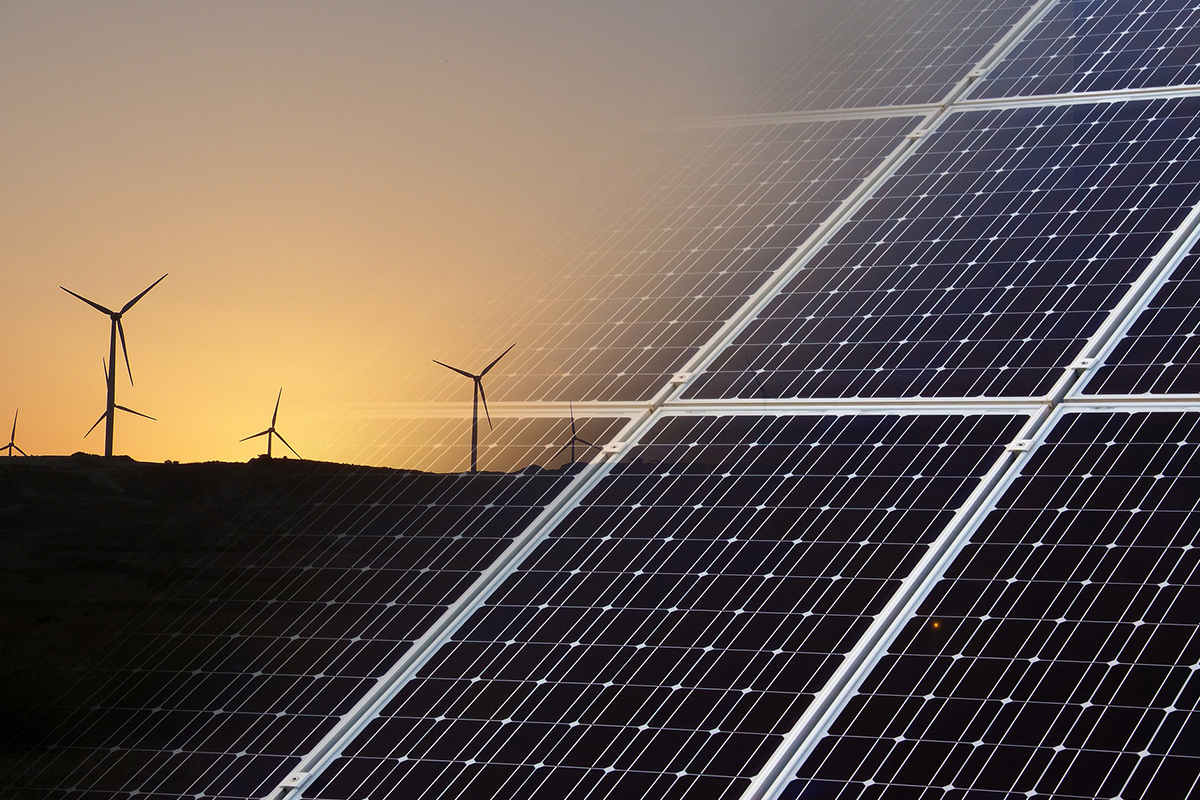
RENEWABLES2 300x225 - The Alberta Renewables!Renewable energy has recently become a significant topic of debate in Alberta, Canada. Alberta has a unique chance to capitalize on renewable energy sources and lessen its reliance on fossil fuels due to an abundance of natural resources. The Alberta government has taken the lead in this transformation by investing in renewable energy infrastructure and promoting renewable energy project development.
Alberta has some of the country’s top wind and solar resources, making it an attractive location for renewable energy projects. The Alberta government has made major investments in renewable energy infrastructure, such as wind, solar, and geothermal energy, in recent years. These expenditures have led in a rise in the quantity of renewable energy generated in the province, with wind energy now accounting for over 20% of total electricity generation in Alberta.

Incentives and initiatives have also been developed by the Alberta government to support the development of renewable energy plants. The Alberta Energy Efficiency Program, which provides assistance for businesses that install equipment like solar panels, and the Renewable Energy Program, which gives incentives for enterprises that install renewable energy systems, are two examples. Both of these projects have aided in the expansion of renewable energy in Alberta.

Furthermore, the Alberta government has enacted laws that creates an appealing environment for renewable energy providers. This includes both a Renewable Electricity Program that gives large subsidies to renewable energy companies and a Feed-in Tariff program that encourages homeowners to invest in renewable energy systems.

The Alberta government is helping to lessen the province’s dependency on fossil fuels and promote a cleaner, greener future by fostering the growth of renewable energy in the province. This is an excellent model for other provinces to follow, and it highlights the potential for renewable energy to contribute significantly to the worldwide fight against climate change.

Energy Services Companies Throughout Canada and the US

A quick growing sector in gas and oil is the ESCO (Energy Service Company). service providers provide a diverse of energy solutions which includes oilfield rentals, mobile boilers, meter proving and engineering and construction contracts. An ESCO is a company that provides detailed energy solutions to its clients, which includes auditing, redesigning and developing changes to the ways the client consumes energy, the primary aim being considerably improved efficiency.

It is now definite that the new normal post COVID-19 is causing firms to evaluate their business models and readjust appropriately. One other variation of energy service was the technical part where high tech measurement tools alongside diagnostic equipment have grown to be commonplace in this swiftly progressing field.

energyservices 300x251 - Energy Services Companies Throughout Canada and the USEnergy services companies are fundamentally distinct from consulting technical engineers and equipment contractors: the former are ordinarily paid for their guidance, whilst the latter are paid for the tools. All through the 90s we witnessed a rise of independent energy service providers due largely to deregulation and the rising cost of oil and gas. Three years in to the Trump presidency we have witnessed a sizable extensive deregulation in the energy industry which obviously benefits energy service providers.
An enlightening study between the USA and Canada depicts the contrasting distinctions regarding a deregulating government like the U.S. is these days, and the Liberal leading government of Canada. In truth, as of this writing Total has said they’re going to be writing off over $6 billion in Alberta oil sands property and assets in Canada.

Each ESCO is different in their own technological field of expertises whilst others include the complete array of solutions this includes lighting, HVAC, piping, meter proving, sampling and analysis, instrumentation and others. The truth is we could go on for hours on end about the wide-ranging list of solutions energy services companies provide.

Another trend we see emerging is how, throughout COVID pandemic, we’ve been seeing an increased interest from ESCOs in energy marketing companies who have a specialized focus on marketing specifically for energy services companies.

ESCO 300x251 - Energy Services Companies Throughout Canada and the USOne of the most popular energy service is the one of energy management. Energy management consultants are increasingly more popular as energy prices lift. The central focus of energy consultants will be to save their clients cash by reducing energy prices and making existing processes more energy-efficient. The very first step any energy management firm will undertake is a complete and specific energy analysis with the purpose to confirm a starting base line. Developing a recorded starting position after a company runs its energy evaluation is essential. Regularly you will notice the energy consultancy firm operating jointly with administrators with each organization they’re contracted by. This permits for swift decisive decisions. The importance of the close working relationship among the energy consultants and the organizations senior leadership can’t be understated given throughout any energy review it’s imperative to have management conveniently available.

Energy providers companies encompass a wide array of different providers and products. Overall though we are on the cusp of a paradigm shift within this sector due largely in part to the pandemic that has gripped the world over the past 6 months.

For the purposes of this document we made the decision to ask Marlon Schoppe senior executive of operations of Bloom Consulting what his thoughts were on the industry moving forward after the virus.

“Good to speak to you today so thanks for letting me to comment. Truthfully we see problems a little different than most by grasping this moment to think about how this disease will affect our work conditions and adjusting what we can to keep our team protected while keeping productive.”

There are several different facets when it comes the variety of services delivered by these companies, but one commonality is they are all intrinsically linked with the constantly changing price of energy.

Sector guidelines and government and market regulations are the main backbone that all energy service firms must operate. Although it is true there is certainly a multitude of different service providers delivered under the energy service providers spectrum, one thing is certainly, cost and efficiency as their primary focus. This is especially the case with renewables as renewable energy leads to savings also.

These days it is not unusual to find ISP (Internet Service Providers) who are offering bundles with home phone, Internet and television, all through only one company. In the U.S. and Canada this alteration has already launched with major utility providers bundling their service and coupling them with discounted prices, in an effort to compel people and organizations to trust them for all their energy service needs. From a simply financial/business perspective this union of utility company and service company is genius.

You’re probably asking yourself that if this really is transpiring then wouldn’t that make independent energy services companies outdated? In conclusion you should note that energy services is a growing business that involves a wide selection of different project specific providers whether in the oilfields or on the rig.

The Advantages of Fossil Fuels for our Environment

The Advantages of Fossil Fuels for our Environment

Imagine that we are a visitor from the past and we’ve seen the marvelous things that the present has to offer us. While some of you might focus only on the technology, surprisingly there’s a lot of interesting changes in our environment that are for the better.

Our water is cleaner and our air is pure and easy to breath. These changes are purely based for the way we’ve using fossil fuel, as well how we refine the process to extract it and the advantages that has given us to finally be more productive, as well optimizing our water and air with the time being.

How fossil fuels changed our lifestyle

With the previous example, we realized that our modernization was possible thanks to the multiple benefits that fossil fuel has brought us. Not only has been a key element to our development and advances in multiple regions but as well it has been a lifesaver to our lifestyle.

Nowadays if you are thirsty, you just need to grab water by turning your faucet and drink it right away, but if you notice the process behind that water, and how every single element of does the purification was made with the help of fossil fuels.

Using the water that we found in our lakes or just natural water presents a harmful threat to any of us, since it contains an unstable level of heavy metals and other nasty and dangerous elements for our body, that’s why with the help of fossil fuel and how we turn ourselves to drink a safer option of water can actually be beneficial for our ecosystem.

Sanitation and fossil fuels

post3 2 - The Advantages of Fossil Fuels for our Environment
You don’t need to be a historian to understand that our sanitation and health has evolved drastically, and is all thanks to the multiple uses of fossil fuels. In recent studies we’ve analyzed the impact of the use in fossil fuels, and how is related to our improvement in sanitation and overall public health

Without a doubt, Fossil fuels have changed our lifestyle, and while it was presented back then as a harmful element to our environment. It is true that it has improved our water and air, and with new projects ahead is only a matter of time for us to finally purify our world.

Renewable Energy Movements to Keep an Eye on this Year

Renewable Energy Movements to Keep an Eye on this Year

2019 Is truly a great year for clean technology since there’s a lot of interesting projects coming thru this year, each one of them proposing a solution to a problem that we’ve had for a while now. It’s time for us to pay attention to the fresh alternatives that renewable energy offers us.

Big Compromises

There’s an enormous interest worldwide, to finally put an end to the climate change and other issues that are mostly being caused by the increase in harmful greenhouse gas emissions, as well the use of fossil fuels in our modern times.

To this day, there are more than 100 cities that are using 70% renewable clean energy, as opposed to other places of the world that are still using fossil fuel as their only source of energy.

Energy Access in Poor Countries

post2 2 - Renewable Energy Movements to Keep an Eye on this Year
Believe it or not, there are still a number of countries that still doesn’t have any type of energy available. It’s estimated that over a billion people, still live without any source of electricity. Some others downright chose not to, due to the expensive energy resources available.

Luckily for all of us, behind renewable energy there has been a lot of political talk about providing energy to these countries in development that doesn’t have any type of energy within reach, as well giving access to more affordable ways to pay for these services.

Renewable energy is a incredible resource that is more relevant than ever in this current year, and with the year 2019 filled with multiple projects, there’s no doubt that we are getting closer to a future where we don’t have to use fossil fuels.