The Booming Oil & Gas Industry in Canada

The Booming Oil & Gas Industry in Canada

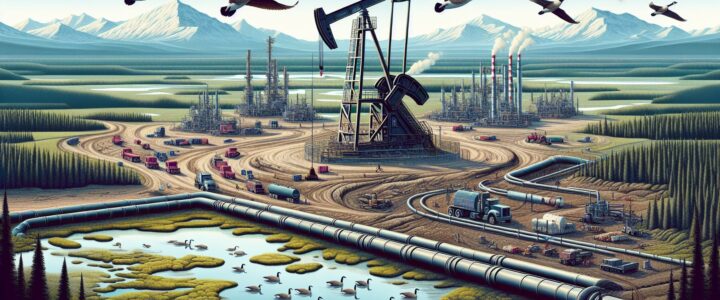
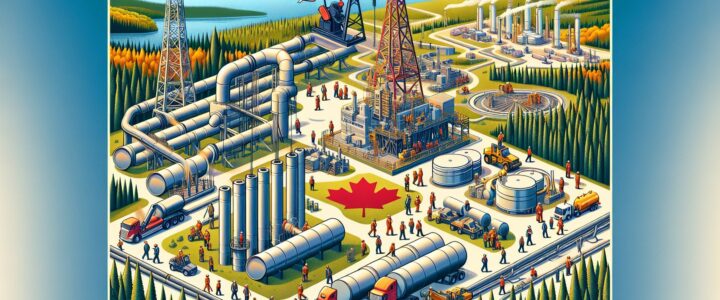
The oil and gas industry in Canada is a thriving sector that plays a vital role in the country’s economy. With vast reserves of natural resources, Canada is one of the top producers of oil and gas in the world. The industry has seen significant growth in recent years, thanks to advancements in technology and increased exploration efforts. As a result, Canada’s oil and gas industry has become a major contributor to the country’s GDP and job creation.

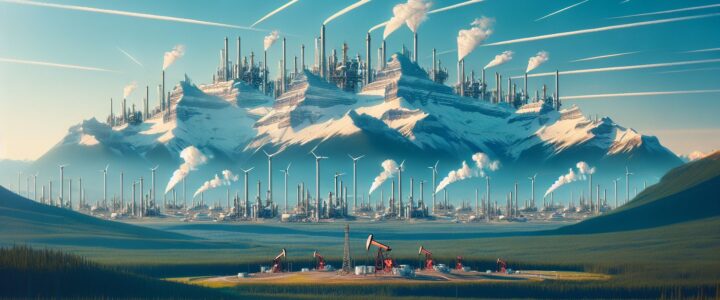
Canada’s oil and gas industry is known for its vast reserves of oil sands, which are predominantly found in Alberta. These oil sands contain a mixture of bitumen, sand, and water, which can be processed into synthetic crude oil. The development of these resources has boosted Canada’s oil production and has positioned the country as a key player in the global oil market.

In addition to oil sands, Canada also has significant reserves of conventional crude oil and natural gas. The country’s diverse range of resources has enabled it to attract investment from major oil and gas companies from around the world. This has led to the development of new projects and infrastructure to support the industry’s growth.

One of the key factors driving the growth of Canada’s oil and gas industry is the country’s commitment to responsible resource development. Canada has stringent environmental regulations in place to ensure that oil and gas projects are carried out in an environmentally sustainable manner. Companies operating in Canada are required to adhere to strict guidelines for emissions, water use, and land reclamation to minimize their impact on the environment.

Despite the industry’s growth and success, it is not without its challenges. Canada’s oil and gas industry has faced opposition from environmental groups and indigenous communities who are concerned about the impact of resource extraction on the environment and local communities. Additionally, fluctuations in oil prices and regulatory uncertainties have posed challenges for companies operating in Canada.

In response to these challenges, the oil and gas industry in Canada has been investing in innovation and technology to improve efficiency and reduce environmental impact. Companies are exploring new ways to extract oil and gas, such as using steam-assisted gravity drainage (SAGD) for oil sands extraction, and investing in renewable energy sources to reduce their carbon footprint.

As the oil and gas industry in Canada continues to evolve, there are opportunities for growth and innovation. With continued investment in technology and sustainability, Canada’s oil and gas industry is poised to remain a key player in the global energy market for years to come.
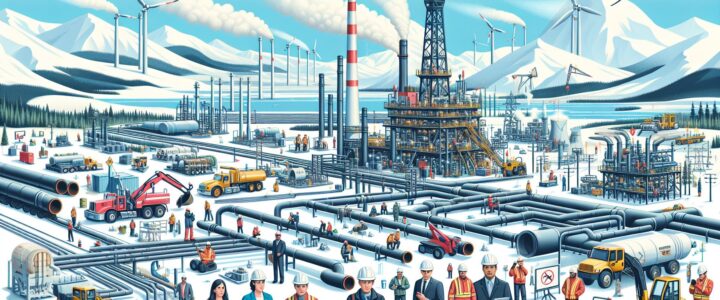
The Enigmatic Relationship Between Canada’s Oil & Gas Industry and Environmental Sustainability

The Enigmatic Relationship Between Canada’s Oil & Gas Industry and Environmental Sustainability

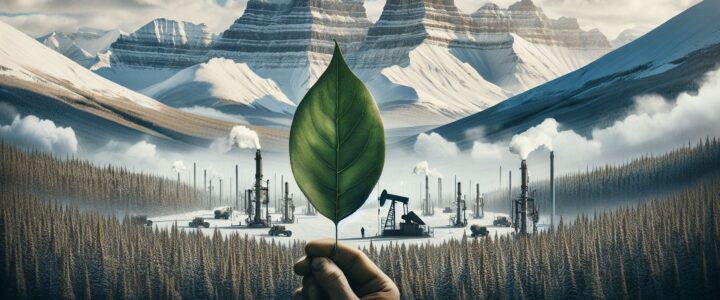
The oil and gas industry in Canada is a complex and multifaceted entity. On one hand, it is a crucial part of the country’s economy, providing jobs and generating revenue. On the other hand, it is a source of controversy and conflict, particularly when it comes to environmental issues. The relationship between Canada’s oil and gas industry and environmental sustainability is enigmatic, to say the least.

Many environmental groups and activists argue that the oil and gas industry is a major contributor to climate change and environmental degradation. They point to the industry’s reliance on fossil fuels, its greenhouse gas emissions, and its impact on ecosystems and wildlife. They argue that continued development of the industry will only exacerbate these problems, leading to irreversible damage to the environment.

On the other hand, the oil and gas industry in Canada is quick to defend itself, citing the economic benefits it brings to the country. The industry argues that it provides jobs, stimulates economic growth, and contributes to the country’s energy security. It also points to the efforts it has made to reduce its environmental impact, such as investing in cleaner technologies and practices.

The truth is that the relationship between Canada’s oil and gas industry and environmental sustainability is fraught with contradictions. In many ways, the industry is both a problem and a solution when it comes to environmental issues. It is a major source of greenhouse gas emissions, yet it also provides the energy that drives our economy. It has a significant impact on ecosystems and wildlife, yet it also supports communities and livelihoods.

As Canada grapples with the challenges of climate change and environmental degradation, the future of the oil and gas industry remains uncertain. Will the industry be able to adapt and evolve in a way that is sustainable and responsible? Or will it continue down a path of unchecked development and exploitation?

Only time will tell. But one thing is clear: the enigmatic relationship between Canada’s oil and gas industry and environmental sustainability is a puzzle that will continue to confound us for years to come.

The Intriguing World of Canada’s Oil & Gas Industry

The Intriguing World of Canada’s Oil & Gas Industry

Have you ever wondered about the fascinating world of the oil and gas industry in Canada? It is a complex and multifaceted sector that plays a crucial role in the country’s economy. From exploration and production to distribution and consumption, there are many aspects to consider when delving into this industry.

One of the most intriguing aspects of the oil and gas industry in Canada is the sheer size and scope of the operations. With vast reserves of natural resources, including oil sands and shale gas, Canada is a major player on the global energy stage. The industry employs thousands of workers and generates billions of dollars in revenue each year.

In recent years, the industry has faced challenges such as fluctuating oil prices, environmental concerns, and regulatory changes. However, companies in Canada have shown resilience and adaptability in the face of these challenges, finding innovative ways to overcome obstacles and continue to thrive.

One particularly interesting area of the oil and gas industry in Canada is the advancement of technology. Companies are constantly investing in new technologies to improve efficiency, reduce environmental impact, and enhance safety. From advanced drilling techniques to cutting-edge extraction methods, the industry is constantly evolving and exploring new frontiers.

Another key aspect of the oil and gas industry in Canada is its impact on the environment. While the sector is a major contributor to the country’s economy, it also raises concerns about greenhouse gas emissions, water usage, and habitat destruction. Companies are increasingly under pressure to adopt sustainable practices and reduce their environmental footprint.

Despite these challenges, the oil and gas industry in Canada continues to play a vital role in the country’s economy. It provides jobs, generates revenue, and ensures energy security for Canadians. With ongoing investments in technology and sustainability, the sector is poised to remain a key player in the global energy landscape for years to come.

In conclusion, the oil and gas industry in Canada is a complex and fascinating sector that has a significant impact on the country’s economy and environment. With a focus on innovation, sustainability, and adaptability, companies in Canada are well-positioned to navigate the challenges and opportunities of the future.

The Intricacies of Canada’s Oil & Gas Industry

The Intricacies of Canada’s Oil & Gas Industry

The oil and gas industry in Canada is a complex and multifaceted sector that plays a significant role in the country’s economy. Despite facing challenges such as market volatility and environmental concerns, the industry continues to thrive and evolve. Let’s delve into the intricacies of Canada’s oil and gas industry and explore its various aspects that make it a crucial component of the nation’s economic landscape.

One of the key factors that contribute to the success of Canada’s oil and gas industry is its vast reserves of natural resources. The country is home to some of the world’s largest oil and gas deposits, which provide a steady supply of energy for domestic consumption and export. Alberta, in particular, is known for its extensive oil sands reserves, making it a major player in the global energy market.

Another important aspect of the oil and gas industry in Canada is its contribution to the economy. The sector generates billions of dollars in revenue each year, creating jobs and stimulating economic growth in various regions of the country. Additionally, the industry plays a crucial role in supporting other sectors such as manufacturing, transportation, and construction, further bolstering Canada’s overall economic performance.

Despite its economic significance, the oil and gas industry in Canada faces challenges that have sparked debate and controversy. Environmental concerns related to extraction methods such as fracking and the impact of oil sands development on the environment have led to calls for stricter regulations and a shift towards renewable energy sources. The industry’s reliance on fossil fuels also raises questions about sustainability and the long-term viability of the sector.

In recent years, the Canadian oil and gas industry has made efforts to address these challenges by investing in technology and innovation. Companies are exploring new ways to reduce their carbon footprint, improve efficiency, and minimize environmental impact. Initiatives such as carbon capture and storage, methane reduction, and renewable energy integration are becoming increasingly common in the industry, reflecting a growing commitment to sustainability.

The role of government policy in shaping the future of Canada’s oil and gas industry cannot be overstated. Regulations regarding resource development, environmental protection, and indigenous rights play a crucial role in determining the direction of the sector. Governments at the federal and provincial levels must strike a delicate balance between promoting economic growth and protecting the environment, while also addressing social and political considerations.

In conclusion, the oil and gas industry in Canada is a complex and dynamic sector that continues to play a vital role in the country’s economy. While facing challenges related to market volatility, environmental concerns, and government regulations, the industry remains resilient and adaptable. By embracing innovation, sustainability, and responsible resource development, Canada’s oil and gas sector can continue to thrive and contribute to the nation’s prosperity for years to come.

The Dynamic Landscape of Canada’s Oil & Gas Industry

The Dynamic Landscape of Canada’s Oil & Gas Industry

Canada’s oil and gas industry is a vital component of the country’s economy, providing jobs, revenue, and energy resources to power homes and businesses across the nation. While the industry has faced its fair share of challenges in recent years, it continues to adapt and evolve in response to changing market conditions and environmental concerns.

One of the key factors shaping the oil and gas industry in Canada is the fluctuating price of crude oil on the global market. Oil prices have a significant impact on the profitability of Canadian oil and gas companies, as well as on government revenues from royalties and taxes. The industry must constantly monitor and respond to these price fluctuations to remain competitive and sustainable in the long term.

In addition to market conditions, the oil and gas industry in Canada is also subject to stringent environmental regulations aimed at reducing greenhouse gas emissions and minimizing the impact of resource extraction on the natural landscape. Companies operating in the oil sands of Alberta, for example, are required to adhere to strict regulations governing water usage, tailings management, and wildlife protection.

Despite these challenges, the oil and gas industry in Canada remains a key driver of economic growth and technological innovation. Companies are investing in new technologies such as carbon capture and storage, renewable energy integration, and methane reduction to reduce their environmental footprint and meet the country’s climate goals.

Canada’s oil and gas industry is also a major source of employment, offering opportunities for skilled workers in fields such as engineering, geology, and project management. The industry provides well-paying jobs and career advancement opportunities for Canadians across the country, from the oil fields of Alberta to the offshore rigs of Newfoundland and Labrador.

In conclusion, the oil and gas industry in Canada is a complex and dynamic sector that plays a crucial role in the country’s economy. While facing challenges such as fluctuating oil prices and environmental regulations, the industry continues to adapt and innovate to ensure its long-term sustainability and competitiveness. By investing in new technologies and best practices, Canadian oil and gas companies are working to reduce their environmental impact and secure a prosperous future for the industry and the nation as a whole.

The Unpredictable Future of Canada’s Oil & Gas Industry

The Unpredictable Future of Canada’s Oil & Gas Industry

Canada’s oil and gas industry has long been a cornerstone of the country’s economy, providing jobs and driving economic growth. However, in recent years, the industry has faced numerous challenges, from fluctuating oil prices to environmental concerns. As the industry looks to the future, there are many questions about what lies ahead.

One of the biggest challenges facing Canada’s oil and gas industry is the unpredictable nature of the market. Oil prices can fluctuate wildly based on factors such as geopolitical events, supply and demand dynamics, and even weather patterns. This makes it difficult for companies in the industry to plan for the future and make long-term investments.

Another issue facing the industry is the increasing focus on environmental sustainability. With the rise of climate change concerns, many people are calling for a shift away from fossil fuels towards renewable energy sources. This presents a significant challenge for Canada’s oil and gas industry, as it may need to adapt its operations to meet changing consumer preferences and government regulations.

Despite these challenges, there are also opportunities for growth and innovation in Canada’s oil and gas industry. The country is home to vast oil sands reserves, which represent a significant potential source of energy. Additionally, new technologies such as hydraulic fracturing and horizontal drilling have opened up new opportunities for oil and gas exploration.

In order to navigate the uncertain future of Canada’s oil and gas industry, companies in the sector will need to be agile and adaptable. They will need to invest in new technologies and practices to reduce their environmental impact and improve efficiency. They will also need to closely monitor market trends and adjust their strategies accordingly.

Ultimately, the future of Canada’s oil and gas industry is uncertain. While the industry has faced significant challenges in recent years, there are also opportunities for growth and innovation. By staying abreast of market trends and investing in sustainability, companies in the sector can position themselves for success in the years to come.

Canada’s oil and gas industry is at a crossroads, facing challenges and opportunities in equal measure. The industry’s future will depend on its ability to adapt to changing market conditions and consumer preferences. By investing in sustainability and innovation, companies in the sector can position themselves for success in the years ahead.

The Intriguing Dynamics of Canada’s Oil & Gas Industry

The Intriguing Dynamics of Canada’s Oil & Gas Industry

Canada’s oil and gas industry is a vast and complex landscape that has seen its fair share of twists and turns over the years. From the highs of booming production to the lows of environmental backlash, the sector is a hotbed of activity and controversy. But amidst all the chaos, there are some fascinating dynamics at play that often go unnoticed.

One of the most intriguing aspects of the oil and gas industry in Canada is the delicate dance between economic prosperity and environmental sustainability. On one hand, the sector is a major contributor to the country’s GDP and provides thousands of jobs for Canadians. But on the other hand, it has come under intense scrutiny for its impact on the environment, particularly in terms of carbon emissions and water usage.

Another fascinating aspect of the industry is the interplay between technology and tradition. As new technologies emerge that promise to revolutionize the way we extract and refine oil and gas, traditional methods continue to hold sway in many parts of the country. This juxtaposition between innovation and tradition creates a rich tapestry of contradictions that keeps industry observers on their toes.

Furthermore, the geopolitics of the oil and gas industry in Canada are a constant source of intrigue. With the United States as its largest trading partner and Asia emerging as a key market for Canadian energy exports, the sector is deeply interconnected with global power dynamics. The ongoing debate over pipeline projects like Keystone XL and Trans Mountain only adds to the drama, highlighting the delicate balance that must be struck between economic interests and environmental concerns.

Despite all the complexities and challenges facing Canada’s oil and gas industry, one thing is clear: it is a sector that will continue to shape the country’s economic and environmental future for years to come. As technologies evolve, markets shift, and political landscapes change, the industry will need to adapt and innovate in order to thrive in a rapidly changing world.

In conclusion, the oil and gas industry in Canada is a fascinating and dynamic landscape that is constantly evolving. From the push and pull of economic interests to the tug of war between tradition and innovation, there are countless factors at play that make this sector a true enigma. And as the industry continues to navigate the complexities of the modern world, one thing is for certain: its impact on Canada’s future will be profound and far-reaching.

The Complex World of Canadian Oil & Gas Industry

The Complex World of Canadian Oil & Gas Industry

The oil and gas industry in Canada is a vast and intricate web of companies, regulations, and technologies that have a significant impact on the country’s economy and environment. With its vast reserves of oil sands and natural gas, Canada has become a major player in the global energy market.

At the heart of the Canadian oil and gas industry is Alberta, home to the famous oil sands. These massive deposits of bitumen are the world’s third-largest proven oil reserves, trailing only Saudi Arabia and Venezuela. The extraction of oil sands is a complex and energy-intensive process that has drawn criticism from environmental groups for its impact on air, water, and land.

The oil and gas industry in Canada is not without its challenges. Fluctuating global oil prices, regulatory uncertainties, and environmental concerns all pose significant obstacles to the growth and development of the industry. However, companies in Canada are constantly innovating and adapting to these challenges, finding new ways to extract and transport oil and gas more efficiently and responsibly.

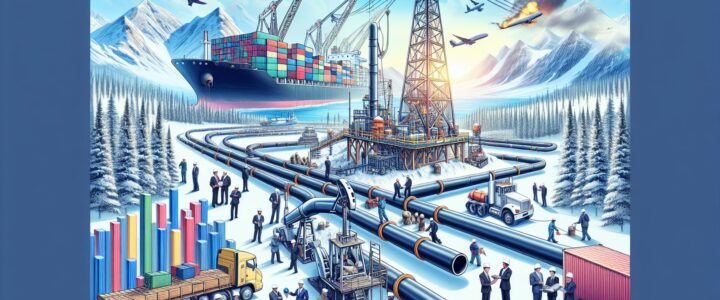
One of the major issues facing the Canadian oil and gas industry is the debate over pipelines. The construction of pipelines, such as the controversial Keystone XL and Trans Mountain pipeline projects, has been a source of heated political and environmental controversy. Advocates argue that pipelines are the safest and most efficient way to transport oil and gas, while opponents raise concerns about the risks of spills and leaks, especially in environmentally sensitive areas.

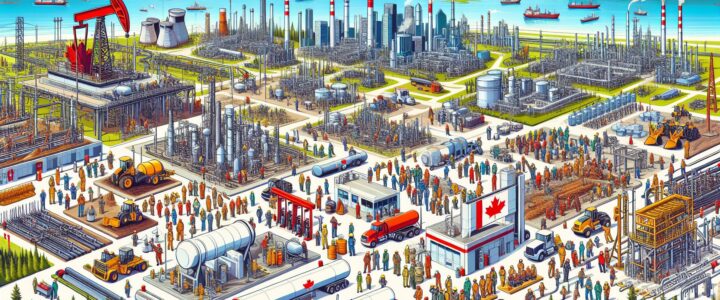
Despite these challenges, the Canadian oil and gas industry continues to play a crucial role in the country’s economy. The industry directly employs hundreds of thousands of Canadians and contributes billions of dollars to the national GDP. In addition, the industry supports a vast network of suppliers, contractors, and service providers, creating even more jobs and economic opportunities.

As the world transitions to cleaner forms of energy, the Canadian oil and gas industry is also diversifying and investing in renewable energy sources such as wind, solar, and hydroelectric power. Companies are exploring new technologies to reduce greenhouse gas emissions and improve energy efficiency, demonstrating a commitment to sustainability and environmental stewardship.

In conclusion, the Canadian oil and gas industry is a complex and ever-evolving sector that continues to play a vital role in the country’s economy. Despite its challenges, the industry remains resilient and innovative, finding new ways to extract, transport, and utilize oil and gas while minimizing its impact on the environment. With a commitment to sustainability and responsible development, the industry is poised to remain a key player in the global energy market for years to come.
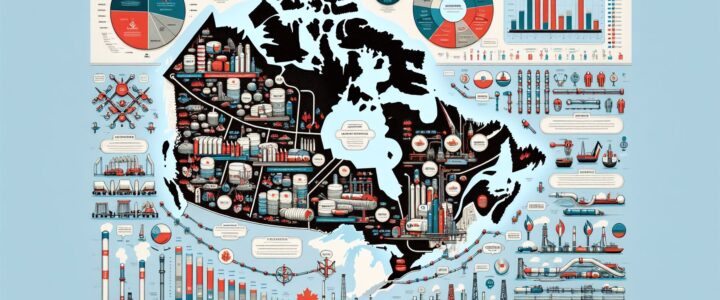
The Oil & Gas Industry in Canada: Environmental Impact

The Oil & Gas Industry in Canada: Environmental Impact

The oil and gas industry in Canada has long been a major contributor to the country’s economy, providing jobs and revenue for the government. However, the industry is not without its controversies, particularly when it comes to its environmental impact.

One of the most significant issues facing the oil and gas industry in Canada is its impact on the environment. The extraction and production of oil and gas can lead to deforestation, air and water pollution, and greenhouse gas emissions. These activities can have devastating effects on local ecosystems and wildlife, as well as contribute to climate change on a global scale.

Despite efforts by the government and industry to regulate and mitigate these impacts, concerns remain about the long-term sustainability of the industry. The push for cleaner energy sources and stricter environmental regulations has put pressure on the oil and gas industry to reduce its carbon footprint and adopt more sustainable practices.

One of the main challenges facing the oil and gas industry in Canada is the balancing act between economic development and environmental protection. As a major source of revenue for the country, the industry plays a vital role in supporting local communities and contributing to the overall prosperity of the nation. However, this economic success comes at a cost, as the industry’s activities can have negative consequences for the environment.

The oil and gas industry in Canada must find ways to minimize its environmental impact while still meeting the demands of a growing economy. This will require collaboration between government, industry, and other stakeholders to develop and implement strategies that promote sustainable development and protect the environment for future generations.

In conclusion, the oil and gas industry in Canada is facing increasing scrutiny over its environmental impact. While the industry plays a vital role in the country’s economy, it must also address the challenges posed by its activities on the environment. By embracing innovation and sustainable practices, the industry can ensure its long-term viability while also protecting the planet for future generations.

The Enigmatic World of Canada’s Oil & Gas Industry

The Enigmatic World of Canada’s Oil & Gas Industry

Canada’s oil and gas industry is a labyrinth of complexity, intrigue, and innovation. From the sprawling tar sands of Alberta to the deep offshore wells of the East Coast, the sector is a multifaceted ecosystem that plays a crucial role in the country’s economy and energy security. But behind the veneer of prosperity lies a world shrouded in mystery and contradiction.

At the heart of this enigma is the constant push and pull between economic growth and environmental conservation. The extraction and production of oil and gas have fueled Canada’s economy for decades, providing jobs and wealth to countless communities across the country. However, this prosperity comes at a cost – the industry is one of the largest sources of greenhouse gas emissions in the country, contributing to Canada’s struggle to meet its climate change commitments.

The regulatory landscape surrounding the oil and gas industry is another facet of its perplexing nature. With a patchwork of federal, provincial, and Indigenous regulations governing the sector, navigating the legal framework can feel like solving a Rubik’s Cube blindfolded. From environmental assessments to pipeline approvals, every step of the industry’s operations is scrutinized and debated, often leading to heated conflicts between stakeholders with competing interests.

But perhaps the most confounding aspect of Canada’s oil and gas industry is the way in which it weaves itself into the fabric of Canadian identity. On one hand, the industry is a symbol of national pride, representing the pioneering spirit and resourcefulness of the country. On the other hand, it is a lightning rod for controversy and protest, with activists decrying its impact on the environment and Indigenous communities.

Despite these contradictions, one thing is clear – the oil and gas industry in Canada is here to stay, at least for the foreseeable future. As the world continues to rely on fossil fuels for its energy needs, the sector will remain a vital cog in the country’s economic machine. The challenge now is to find a way to balance the industry’s contributions to prosperity with its impacts on the environment and society.

In conclusion, Canada’s oil and gas industry is a fascinating enigma that defies easy categorization. It is a source of wealth and opportunity, as well as controversy and conflict. As the country grapples with the dual imperatives of economic growth and environmental sustainability, finding a path forward for the industry will require a delicate balancing act. Only time will tell whether Canada can unlock the secrets of this complex and elusive sector.