The Oil & Gas Industry in Canada: Environmental Impact

The Oil & Gas Industry in Canada: Environmental Impact

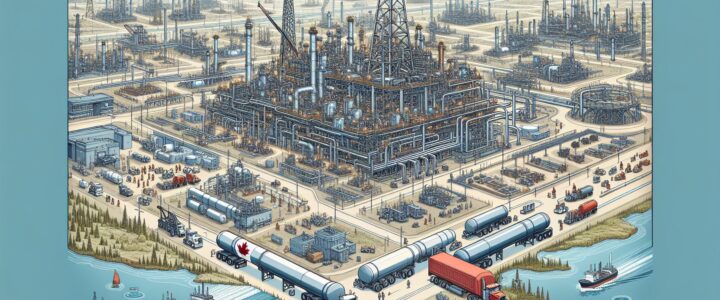
The oil and gas industry in Canada has long been a major contributor to the country’s economy, providing jobs and revenue for the government. However, the industry is not without its controversies, particularly when it comes to its environmental impact.

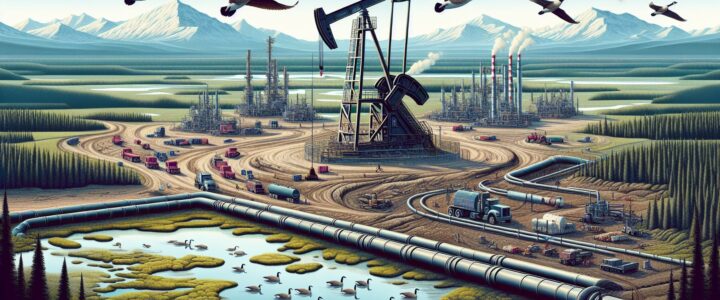
One of the most significant issues facing the oil and gas industry in Canada is its impact on the environment. The extraction and production of oil and gas can lead to deforestation, air and water pollution, and greenhouse gas emissions. These activities can have devastating effects on local ecosystems and wildlife, as well as contribute to climate change on a global scale.

Despite efforts by the government and industry to regulate and mitigate these impacts, concerns remain about the long-term sustainability of the industry. The push for cleaner energy sources and stricter environmental regulations has put pressure on the oil and gas industry to reduce its carbon footprint and adopt more sustainable practices.

One of the main challenges facing the oil and gas industry in Canada is the balancing act between economic development and environmental protection. As a major source of revenue for the country, the industry plays a vital role in supporting local communities and contributing to the overall prosperity of the nation. However, this economic success comes at a cost, as the industry’s activities can have negative consequences for the environment.

The oil and gas industry in Canada must find ways to minimize its environmental impact while still meeting the demands of a growing economy. This will require collaboration between government, industry, and other stakeholders to develop and implement strategies that promote sustainable development and protect the environment for future generations.

In conclusion, the oil and gas industry in Canada is facing increasing scrutiny over its environmental impact. While the industry plays a vital role in the country’s economy, it must also address the challenges posed by its activities on the environment. By embracing innovation and sustainable practices, the industry can ensure its long-term viability while also protecting the planet for future generations.
The Enigmatic World of Canada’s Oil & Gas Industry

The Enigmatic World of Canada’s Oil & Gas Industry

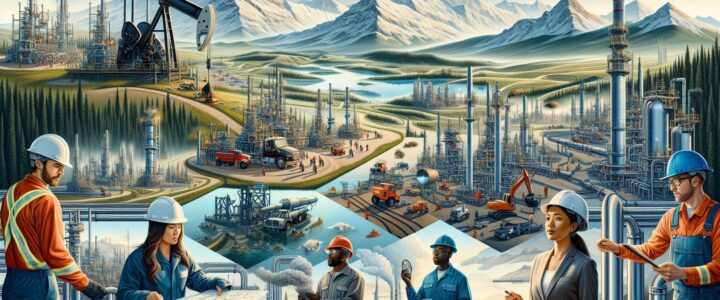
Canada’s oil and gas industry is a labyrinth of complexity, intrigue, and innovation. From the sprawling tar sands of Alberta to the deep offshore wells of the East Coast, the sector is a multifaceted ecosystem that plays a crucial role in the country’s economy and energy security. But behind the veneer of prosperity lies a world shrouded in mystery and contradiction.

At the heart of this enigma is the constant push and pull between economic growth and environmental conservation. The extraction and production of oil and gas have fueled Canada’s economy for decades, providing jobs and wealth to countless communities across the country. However, this prosperity comes at a cost – the industry is one of the largest sources of greenhouse gas emissions in the country, contributing to Canada’s struggle to meet its climate change commitments.

The regulatory landscape surrounding the oil and gas industry is another facet of its perplexing nature. With a patchwork of federal, provincial, and Indigenous regulations governing the sector, navigating the legal framework can feel like solving a Rubik’s Cube blindfolded. From environmental assessments to pipeline approvals, every step of the industry’s operations is scrutinized and debated, often leading to heated conflicts between stakeholders with competing interests.

But perhaps the most confounding aspect of Canada’s oil and gas industry is the way in which it weaves itself into the fabric of Canadian identity. On one hand, the industry is a symbol of national pride, representing the pioneering spirit and resourcefulness of the country. On the other hand, it is a lightning rod for controversy and protest, with activists decrying its impact on the environment and Indigenous communities.

Despite these contradictions, one thing is clear – the oil and gas industry in Canada is here to stay, at least for the foreseeable future. As the world continues to rely on fossil fuels for its energy needs, the sector will remain a vital cog in the country’s economic machine. The challenge now is to find a way to balance the industry’s contributions to prosperity with its impacts on the environment and society.

In conclusion, Canada’s oil and gas industry is a fascinating enigma that defies easy categorization. It is a source of wealth and opportunity, as well as controversy and conflict. As the country grapples with the dual imperatives of economic growth and environmental sustainability, finding a path forward for the industry will require a delicate balancing act. Only time will tell whether Canada can unlock the secrets of this complex and elusive sector.

The Thriving Oil & Gas Industry in Canada: Harnessing Nature’s Power

The Thriving Oil & Gas Industry in Canada: Harnessing Nature’s Power

Canada is a land blessed with the abundance of natural resources, and the oil and gas industry plays a pivotal role in fueling economic growth and prosperity. From the rolling plains of Alberta to the pristine landscapes of British Columbia, this industry has carved a niche for itself, attracting global attention. In this article, we dive into the world of Canada’s oil and gas industry, exploring its significance, challenges, and the measures taken to strike a delicate balance between progress and sustainability.

With vast reserves of oil and gas, Canada is the world’s fourth-largest producer of oil, fueled by the rich deposits nestled beneath the Earth’s surface. The oil sands in Alberta, in particular, have drawn significant attention due to their massive potential. This unconventional resource has become a beacon of hope for Canada’s energy security while also fueling the nation’s economy.

While some argue that the oil and gas industry is detrimental to the environment, Canada has taken impressive steps to ensure responsible resource extraction. The industry has transformed itself, heavily investing in technologies to reduce its ecological footprint. Innovative processes, such as carbon capture and storage, have been embraced to mitigate greenhouse gas emissions. Moreover, stringent regulations and monitoring mechanisms are in place to ensure compliance and prevent any adverse environmental impact.

The oil and gas industry in Canada has created countless employment opportunities, supporting the livelihoods of thousands of individuals and driving economic growth. Apart from creating jobs directly related to extraction and refining, it also stimulates ancillary sectors such as transportation, construction, and manufacturing. The industry attracts skilled workers from various disciplines, including engineering, geology, and environmental sciences, nurturing a diverse workforce capable of tackling complex challenges.

However, like any other major industry, the oil and gas sector faces its fair share of challenges. Market volatility, fluctuating oil prices, and geopolitical factors influence the industry’s stability. The recent COVID-19 pandemic, with its unprecedented disruption to global markets, reminded the industry of its vulnerability. Nevertheless, Canada’s oil and gas sector has demonstrated resilience throughout history, adapting to changing circumstances and emerging stronger each time.

In recent years, Canada’s oil and gas industry has faced growing scrutiny and debate surrounding pipeline construction and expansion projects. Balancing environmental concerns, Indigenous rights, and economic benefits has become a focal point of discussion. While the development of pipelines is crucial for transporting resources efficiently, it must be done responsibly and with the utmost consideration for the local ecosystems and communities that may be affected.

Canada acknowledges the need to transition towards a more sustainable energy future. The gradual shift towards renewable energy sources is evident, with investments in wind, solar, and hydroelectric power gaining momentum. However, the oil and gas industry remains critical during this transitional phase. It provides the necessary economic stability to invest in and develop renewable energy technologies while ensuring a reliable energy supply for both domestic consumption and exportation.

In conclusion, Canada’s oil and gas industry is a testament to the country’s resourcefulness and drive for progress. While it faces scrutiny and challenges, it continues to evolve, embracing new technologies and methodologies to minimize environmental impact. The industry not only fuels economic growth but also supports communities, fosters innovation, and serves as a cornerstone for the country’s energy security. As Canada navigates towards a greener future, the oil and gas industry will play a significant role in the journey, harnessing nature’s power responsibly and sustainably.

The Intriguing Tale of Canada’s Oil & Gas Industry

The Intriguing Tale of Canada’s Oil & Gas Industry

Canada’s oil and gas industry is an intricate and captivating sector that plays a crucial role in the nation’s economy. Bursting with creativity, human-like with perplexity, it encompasses various aspects, including exploration, production, refining, and distribution. In this article, we’ll delve into the depths of this enigmatic industry, shedding light on its significance, challenges, and potential for the future.

A Brief Overview

To comprehend the complexity of Canada’s oil and gas industry, it’s essential to understand its foundation. The sector primarily operates in three major regions: Western Canada, Atlantic Canada, and the Northern Territories. As the world’s fourth-largest producer of oil and gas, Canada boasts extensive reserves, attracting both domestic and international interest.

The Importance of Energy

Energy is the lifeblood of any modern society, and the oil and gas industry provides a significant portion of Canada’s energy demands. These resources fuel transportation, power generation, heating, and numerous industrial processes. Moreover, this sector contributes significantly to the nation’s GDP and job creation, making it a vital pillar of the Canadian economy.

Harnessing Nature’s Riches

Canada’s oil and gas industry excels in harnessing its abundant natural resources. Immense reserves of crude oil, natural gas, and oil sands offer immense potential for extraction and refinement. Western Canada, notably Alberta, is renowned for its vast oil sands deposits, home to the third-largest oil reserves globally. These resources, though challenging to extract, play a vital role in meeting global energy demands.

Environmental Concerns

While the oil and gas industry fuels progress and prosperity, it also faces intense scrutiny due to environmental concerns. The extraction and burning of fossil fuels contribute to greenhouse gas emissions, impacting climate change. However, the industry has been actively working towards reducing its ecological footprint. Advancements in technologies, such as carbon capture and storage, exemplify the ongoing commitment of the sector towards sustainability.

Market Volatility and Economic Impact

Market volatility is an ever-present challenge in the oil and gas industry. Fluctuations in global oil prices directly impact companies operating in this sector. Canadian companies often find themselves navigating a delicate balance between profitability and operational efficiency. Furthermore, economic downturns, geopolitical tensions, and shifting global energy landscapes all complicate the situation, adding an extra layer of perplexity.

Innovation and Adaptability

Surviving and thriving in a complex industry demands innovation and adaptability. Canadian oil and gas companies have long embraced technology and cutting-edge practices to improve operational efficiency. This commitment to innovation has resulted in advancements in exploration techniques, drilling technologies, and environmental efforts. By seeking novel solutions, the industry continues its quest to navigate through perplexing challenges.

The Future Path

As the world transitions to a more sustainable energy future, Canada’s oil and gas industry faces both immense challenges and opportunities. Striking a delicate balance between meeting energy demands, reducing environmental impacts, and embracing renewable technologies will be key. The industry’s future lies in diversification, investing in cleaner energy alternatives, and attracting skilled talent.

Conclusion

The oil and gas industry in Canada is a mesmerizing tapestry of exploration, production, and innovation. Bursting with creativity and resilience, the sector plays a vital role in the nation’s economy. While it faces challenges, such as environmental concerns and market volatility, it is well-positioned to adapt to an ever-changing energy landscape. With a rich history and a future brimming with possibilities, Canada’s oil and gas industry remains an enigmatic force driving progress in the nation and beyond.