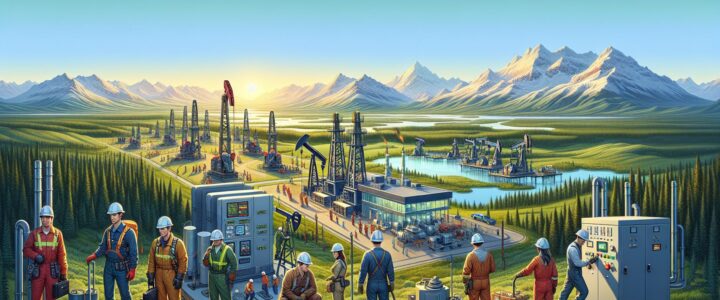
The Enigmatic World of Canada’s Oil & Gas Industry

The Enigmatic World of Canada’s Oil & Gas Industry

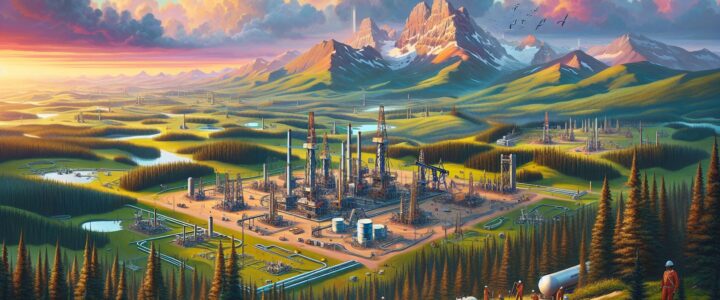
Canada’s oil and gas industry is a labyrinth of complexity, intrigue, and innovation. From the sprawling tar sands of Alberta to the deep offshore wells of the East Coast, the sector is a multifaceted ecosystem that plays a crucial role in the country’s economy and energy security. But behind the veneer of prosperity lies a world shrouded in mystery and contradiction.

At the heart of this enigma is the constant push and pull between economic growth and environmental conservation. The extraction and production of oil and gas have fueled Canada’s economy for decades, providing jobs and wealth to countless communities across the country. However, this prosperity comes at a cost – the industry is one of the largest sources of greenhouse gas emissions in the country, contributing to Canada’s struggle to meet its climate change commitments.

The regulatory landscape surrounding the oil and gas industry is another facet of its perplexing nature. With a patchwork of federal, provincial, and Indigenous regulations governing the sector, navigating the legal framework can feel like solving a Rubik’s Cube blindfolded. From environmental assessments to pipeline approvals, every step of the industry’s operations is scrutinized and debated, often leading to heated conflicts between stakeholders with competing interests.

But perhaps the most confounding aspect of Canada’s oil and gas industry is the way in which it weaves itself into the fabric of Canadian identity. On one hand, the industry is a symbol of national pride, representing the pioneering spirit and resourcefulness of the country. On the other hand, it is a lightning rod for controversy and protest, with activists decrying its impact on the environment and Indigenous communities.

Despite these contradictions, one thing is clear – the oil and gas industry in Canada is here to stay, at least for the foreseeable future. As the world continues to rely on fossil fuels for its energy needs, the sector will remain a vital cog in the country’s economic machine. The challenge now is to find a way to balance the industry’s contributions to prosperity with its impacts on the environment and society.

In conclusion, Canada’s oil and gas industry is a fascinating enigma that defies easy categorization. It is a source of wealth and opportunity, as well as controversy and conflict. As the country grapples with the dual imperatives of economic growth and environmental sustainability, finding a path forward for the industry will require a delicate balancing act. Only time will tell whether Canada can unlock the secrets of this complex and elusive sector.

The Thriving Oil & Gas Industry in Canada: Harnessing Nature’s Power

The Thriving Oil & Gas Industry in Canada: Harnessing Nature’s Power

Canada is a land blessed with the abundance of natural resources, and the oil and gas industry plays a pivotal role in fueling economic growth and prosperity. From the rolling plains of Alberta to the pristine landscapes of British Columbia, this industry has carved a niche for itself, attracting global attention. In this article, we dive into the world of Canada’s oil and gas industry, exploring its significance, challenges, and the measures taken to strike a delicate balance between progress and sustainability.

With vast reserves of oil and gas, Canada is the world’s fourth-largest producer of oil, fueled by the rich deposits nestled beneath the Earth’s surface. The oil sands in Alberta, in particular, have drawn significant attention due to their massive potential. This unconventional resource has become a beacon of hope for Canada’s energy security while also fueling the nation’s economy.

While some argue that the oil and gas industry is detrimental to the environment, Canada has taken impressive steps to ensure responsible resource extraction. The industry has transformed itself, heavily investing in technologies to reduce its ecological footprint. Innovative processes, such as carbon capture and storage, have been embraced to mitigate greenhouse gas emissions. Moreover, stringent regulations and monitoring mechanisms are in place to ensure compliance and prevent any adverse environmental impact.

The oil and gas industry in Canada has created countless employment opportunities, supporting the livelihoods of thousands of individuals and driving economic growth. Apart from creating jobs directly related to extraction and refining, it also stimulates ancillary sectors such as transportation, construction, and manufacturing. The industry attracts skilled workers from various disciplines, including engineering, geology, and environmental sciences, nurturing a diverse workforce capable of tackling complex challenges.

However, like any other major industry, the oil and gas sector faces its fair share of challenges. Market volatility, fluctuating oil prices, and geopolitical factors influence the industry’s stability. The recent COVID-19 pandemic, with its unprecedented disruption to global markets, reminded the industry of its vulnerability. Nevertheless, Canada’s oil and gas sector has demonstrated resilience throughout history, adapting to changing circumstances and emerging stronger each time.

In recent years, Canada’s oil and gas industry has faced growing scrutiny and debate surrounding pipeline construction and expansion projects. Balancing environmental concerns, Indigenous rights, and economic benefits has become a focal point of discussion. While the development of pipelines is crucial for transporting resources efficiently, it must be done responsibly and with the utmost consideration for the local ecosystems and communities that may be affected.

Canada acknowledges the need to transition towards a more sustainable energy future. The gradual shift towards renewable energy sources is evident, with investments in wind, solar, and hydroelectric power gaining momentum. However, the oil and gas industry remains critical during this transitional phase. It provides the necessary economic stability to invest in and develop renewable energy technologies while ensuring a reliable energy supply for both domestic consumption and exportation.

In conclusion, Canada’s oil and gas industry is a testament to the country’s resourcefulness and drive for progress. While it faces scrutiny and challenges, it continues to evolve, embracing new technologies and methodologies to minimize environmental impact. The industry not only fuels economic growth but also supports communities, fosters innovation, and serves as a cornerstone for the country’s energy security. As Canada navigates towards a greener future, the oil and gas industry will play a significant role in the journey, harnessing nature’s power responsibly and sustainably.

The Intriguing Tale of Canada’s Oil & Gas Industry

The Intriguing Tale of Canada’s Oil & Gas Industry

Canada’s oil and gas industry is an intricate and captivating sector that plays a crucial role in the nation’s economy. Bursting with creativity, human-like with perplexity, it encompasses various aspects, including exploration, production, refining, and distribution. In this article, we’ll delve into the depths of this enigmatic industry, shedding light on its significance, challenges, and potential for the future.

A Brief Overview

To comprehend the complexity of Canada’s oil and gas industry, it’s essential to understand its foundation. The sector primarily operates in three major regions: Western Canada, Atlantic Canada, and the Northern Territories. As the world’s fourth-largest producer of oil and gas, Canada boasts extensive reserves, attracting both domestic and international interest.

The Importance of Energy

Energy is the lifeblood of any modern society, and the oil and gas industry provides a significant portion of Canada’s energy demands. These resources fuel transportation, power generation, heating, and numerous industrial processes. Moreover, this sector contributes significantly to the nation’s GDP and job creation, making it a vital pillar of the Canadian economy.

Harnessing Nature’s Riches

Canada’s oil and gas industry excels in harnessing its abundant natural resources. Immense reserves of crude oil, natural gas, and oil sands offer immense potential for extraction and refinement. Western Canada, notably Alberta, is renowned for its vast oil sands deposits, home to the third-largest oil reserves globally. These resources, though challenging to extract, play a vital role in meeting global energy demands.

Environmental Concerns

While the oil and gas industry fuels progress and prosperity, it also faces intense scrutiny due to environmental concerns. The extraction and burning of fossil fuels contribute to greenhouse gas emissions, impacting climate change. However, the industry has been actively working towards reducing its ecological footprint. Advancements in technologies, such as carbon capture and storage, exemplify the ongoing commitment of the sector towards sustainability.

Market Volatility and Economic Impact

Market volatility is an ever-present challenge in the oil and gas industry. Fluctuations in global oil prices directly impact companies operating in this sector. Canadian companies often find themselves navigating a delicate balance between profitability and operational efficiency. Furthermore, economic downturns, geopolitical tensions, and shifting global energy landscapes all complicate the situation, adding an extra layer of perplexity.

Innovation and Adaptability

Surviving and thriving in a complex industry demands innovation and adaptability. Canadian oil and gas companies have long embraced technology and cutting-edge practices to improve operational efficiency. This commitment to innovation has resulted in advancements in exploration techniques, drilling technologies, and environmental efforts. By seeking novel solutions, the industry continues its quest to navigate through perplexing challenges.

The Future Path

As the world transitions to a more sustainable energy future, Canada’s oil and gas industry faces both immense challenges and opportunities. Striking a delicate balance between meeting energy demands, reducing environmental impacts, and embracing renewable technologies will be key. The industry’s future lies in diversification, investing in cleaner energy alternatives, and attracting skilled talent.

Conclusion

The oil and gas industry in Canada is a mesmerizing tapestry of exploration, production, and innovation. Bursting with creativity and resilience, the sector plays a vital role in the nation’s economy. While it faces challenges, such as environmental concerns and market volatility, it is well-positioned to adapt to an ever-changing energy landscape. With a rich history and a future brimming with possibilities, Canada’s oil and gas industry remains an enigmatic force driving progress in the nation and beyond.

The Art of Oil & Gas in Canada: An Enigmatic Industry Unveiled

The Art of Oil & Gas in Canada: An Enigmatic Industry Unveiled

The oil and gas industry in Canada has always been a captivating enigma, an ever-changing landscape that has managed to baffle and intrigue both enthusiasts and experts alike. With its unpredictable twists and turns, this industry has often left many scratching their heads in bewilderment. Today, let us embark on a journey through this multifaceted realm that not only provides immense value to the economy but also challenges our perceptions.

The mesmerizing dance between production and consumption unfurls against the picturesque backdrop of Canada’s vast and diverse landscape. From the rocky mountains of Alberta to the serene coastlines of British Columbia, the oil and gas industry weaves its intricate tapestry across the nation. It is an industry that has shaped Canada’s economy, defined its cultural identity, and sparked intense national debates on various topics, ranging from environmental stewardship to economic prosperity.

Canada’s oil and gas reserves are prodigious, catering to both domestic and international energy demands. The oil sands in Alberta stand as a testament to the relentless pursuit of extracting resources from seemingly unconventional sources. These reserves have consistently thrust Canada into the global spotlight, making it one of the top suppliers of oil and gas worldwide.

Amidst the awe-inspiring accomplishments lies a tale of complexity and controversy. The extraction of oil sands, while undoubtedly a technological marvel, also presents unique environmental challenges. The carbon intensity of oil sands extraction has been a hot topic, igniting passionate discussions on climate change and sustainable practices. Striving for a harmonious coexistence between economic development and environmental preservation is an ongoing endeavor, and Canada is at the forefront of this quest.

Regulatory frameworks play a vital role in shaping the industry’s trajectory. Canada’s commitment to responsible resource development has resulted in stringent regulations designed to safeguard the environment. From rigorous assessment processes to the implementation of innovative technologies, the industry strives to strike a delicate balance between economic growth and ecological preservation.

Additionally, the oil and gas industry has emerged as a significant contributor to job creation and the overall economic prosperity of Canada. It has fostered a web of interconnected industries, stimulating growth in sectors such as manufacturing, transportation, and engineering. The industry’s footprint extends far beyond the pump, providing a livelihood for thousands of Canadians and fueling innovation and opportunity.

However, as with any tale of mystery, there are unforeseen plot twists that disrupt the harmony. Pandemics, geopolitical complexities, and fluctuating global energy prices have introduced new dimensions to Canada’s oil and gas industry. These challenges have prompted introspection, adaptation, and diversification, forcing the industry to reinvent itself continuously.

The winds of change blow fiercely in the form of renewable energy sources. As Canada amplifies its efforts towards a sustainable future, the oil and gas industry is compelled to reinvent its practices, foster technological advancements, and explore cleaner energy alternatives. This metamorphosis presents both challenges and opportunities, as the industry navigates uncharted waters toward a greener horizon.

In conclusion, the oil and gas industry in Canada remains an enigmatic force that has the power to inspire, astonish, and perplex. It intertwines economic growth, environmental stewardship, and social complexity, offering no easy answers or definitive solutions. As Canada continues to evolve, the industry evolves with it—embracing change, surmounting challenges, and redefining its place in the narrative of our nation’s energy landscape.

[Quilbot Edited Version]

The oil and gas industry in Canada has always been a captivating enigma, an ever-changing landscape that has managed to baffle and intrigue both enthusiasts and experts alike. With its unpredictable twists and turns, this industry has often left many scratching their heads in bewilderment. Today, let us embark on a journey through this multifaceted realm that not only provides immense value to the economy but also challenges our perceptions.

The mesmerizing dance between production and consumption unfurls against the picturesque backdrop of Canada’s vast and diverse landscape. From the rocky mountains of Alberta to the serene coastlines of British Columbia, the oil and gas industry weaves its intricate tapestry across the nation. It is an industry that has shaped Canada’s economy, defined its cultural identity, and sparked intense national debates on various topics, ranging from environmental stewardship to economic prosperity.

Canada’s oil and gas reserves are prodigious, catering to both domestic and international energy demands. The oil sands in Alberta stand as a testament to the relentless pursuit of extracting resources from seemingly unconventional sources. These reserves have consistently thrust Canada into the global spotlight, making it one of the top suppliers of oil and gas worldwide.

Amidst the awe-inspiring accomplishments lies a tale of complexity and controversy. The extraction of oil sands, while undoubtedly a technological marvel, also presents unique environmental challenges. The carbon intensity of oil sands extraction has been a hot topic, igniting passionate discussions on climate change and sustainable practices. Striving for a harmonious coexistence between economic development and environmental preservation is an ongoing endeavor, and Canada is at the forefront of this quest.

Regulatory frameworks play a vital role in shaping the industry’s trajectory. Canada’s commitment to responsible resource development has resulted in stringent regulations designed to safeguard the environment. From rigorous assessment processes to the implementation of innovative technologies, the industry strives to strike a delicate balance between economic growth and ecological preservation.

Additionally, the oil and gas industry has emerged as a significant contributor to job creation and the overall economic prosperity of Canada. It has fostered a web of interconnected industries, stimulating growth in sectors such as manufacturing, transportation, and engineering. The industry’s footprint extends far beyond the pump, providing a livelihood for thousands of Canadians and fueling innovation and opportunity.

However, as with any tale of mystery, there are unforeseen plot twists that disrupt the harmony. Pandemics, geopolitical complexities, and fluctuating global energy prices have introduced new dimensions to Canada’s oil and gas industry. These challenges have prompted introspection, adaptation, and diversification, forcing the industry to reinvent itself continuously.

The winds of change blow fiercely in the form of renewable energy sources. As Canada amplifies its efforts towards a sustainable future, the oil and gas industry is compelled to reinvent its practices, foster technological advancements, and explore cleaner energy alternatives. This metamorphosis presents both challenges and opportunities, as the industry navigates uncharted waters toward a greener horizon.

In conclusion, the oil and gas industry in Canada remains an enigmatic force that has the power to inspire, astonish, and perplex. It intertwines economic growth, environmental stewardship, and social complexity, offering no easy answers or definitive solutions. As Canada continues to evolve, the industry evolves with it—embracing change, surmounting challenges, and redefining its place in the narrative of our nation’s energy landscape.
The Vibrant Landscape of Canada’s Oil & Gas Industry

The Vibrant Landscape of Canada’s Oil & Gas Industry

Canada’s oil and gas industry is a vast, thriving landscape that has played a significant role in the country’s economy for decades. With its abundance of natural resources and innovative practices, this industry continues to shape both the local and global energy markets. From exploration to production and distribution, the oil and gas sector in Canada is an intricate web of interconnected activities that drive economic growth and environmental stewardship. Let’s delve into this captivating world and uncover its wonders!

A Tale of Exploration and Discovery

Exploration lies at the heart of the oil and gas industry, as companies embark on expeditions to discover new reserves. Canada, with its expansive and diverse landscapes, offers a wealth of untapped potential. From the vast tar sands in Alberta to the remote offshore regions along the Atlantic coast, there is no shortage of opportunities for exploration.

One of the most intriguing aspects of this industry is the exploration process itself, combining cutting-edge technology, scientific expertise, and a touch of serendipity. Geologists analyze rock formations, seismic data, and satellite imagery to identify potential sites for drilling. Then, drilling teams immerse themselves in the unknown, probing depths of the earth in search of liquid gold.

Unleashing the Power of Extraction

Once oil and gas reserves are discovered, the industry employs advanced extraction techniques to bring these resources to the surface. Extraction methods have evolved significantly over the years, adapting to the unique characteristics of each site. From traditional drilling to more complex methods like hydraulic fracturing (fracking), engineers tirelessly work to harness these valuable resources.

From the moment exploration teams strike oil, the race is on to extract it efficiently and economically while minimizing environmental impact.

While extraction undoubtedly contributes to carbon emissions and alters the landscape, the industry has implemented stringent regulations and technologies to mitigate these impacts. Rigorous safety standards, advanced equipment, and constant monitoring ensure that every extraction project adheres to environmentally sustainable practices.

The Network of Transportation

Transportation plays a crucial role in the oil and gas industry, connecting production sites with consumers and markets worldwide. Once extracted, oil and gas need to be transported efficiently and securely.

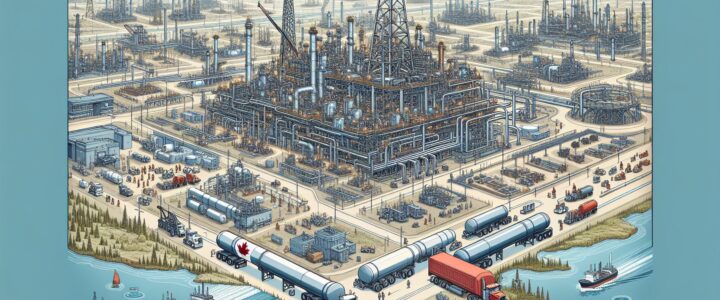
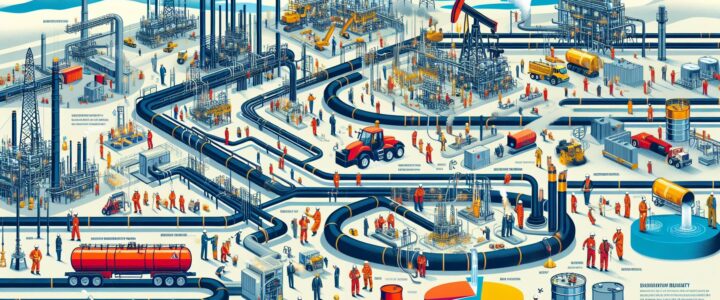
A labyrinth of pipelines sprawls across Canada's vast territory, intricately connecting oil and gas fields with refineries, terminals, and export ports.

Pipelines are the lifeblood of this industry, allowing for the safe and reliable transportation of resources across long distances. Canada boasts an extensive pipeline network, transporting oil and gas to the United States and beyond. However, these pipelines also face public scrutiny due to concerns around environmental impact, highlighting the ongoing need for sustainable and resilient transportation solutions.

Energizing the Economy and Communities

The oil and gas industry significantly contributes to Canada’s economy, providing employment opportunities and driving economic growth in both urban and rural areas. The sector supports thousands of jobs, from engineers and geologists to skilled tradespeople and supporting roles. The oil sands in Alberta, in particular, have become an economic powerhouse, attracting workers from all corners of the globe.

Beyond economic contributions, the oil and gas industry also engages with local communities, investing in infrastructure, education, and social programs. As an integral part of Canada’s national identity, this industry holds a significant place in the hearts and minds of communities across the country.

The Journey Continues

As we navigate the challenges and opportunities of the twenty-first century, the Canadian oil and gas industry stands at a critical crossroads. The quest for cleaner and more sustainable energy sources has led to a growing interest in renewable technologies. Yet, petroleum remains a fundamental part of the global energy mix, and Canada’s oil and gas sector continues to play a crucial role.

In this ever-evolving landscape, a delicate balance must be struck between economic growth, environmental stewardship, and community engagement. With ongoing advancements in technology and a commitment to sustainable practices, the oil and gas industry in Canada has the potential to forge a prosperous and sustainable future.

As we look to the horizon, the vibrancy and complexity of the oil and gas industry in Canada remind us of the wonders that lie beneath the surface – waiting to be discovered, harnessed, and shared with the world.

The Surprising Synergy between Oil & Gas and Renewable Energy in Canada

The Surprising Synergy between Oil & Gas and Renewable Energy in Canada

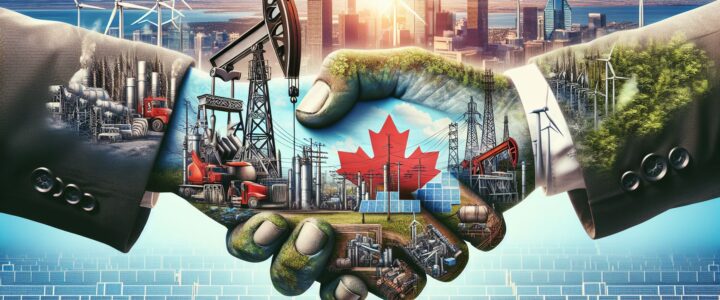
In the vast and diverse landscape of Canada, the oil and gas industry has long played a significant role in its economic growth and development. The extraction and production of these natural resources have propelled the nation to become one of the world’s leading energy powerhouses. However, as the global focus shifts towards sustainable practices and renewable energy sources, there might be a perception that the oil and gas industry conflicts with these progressive ideologies. In a delightful twist, though, Canada’s oil and gas industry has quietly fostered surprising synergies with renewable energy, forming an intricate tapestry of coexistence and collaboration.

One remarkable aspect of the oil and gas industry in Canada is its commitment to technological advancements. As technology rapidly evolves, it isn’t limited to just renewable energy; it transcends to oil and gas as well. The industry has embraced innovation to enhance efficiency, reduce environmental impact, and optimize resource management. By doing so, the fossil fuel sector has paved the way for cleaner extraction methods and more sustainable practices.

Moreover, the expertise gained from oil and gas operations has directly contributed to the growth of renewable energy in Canada. Many skilled professionals who previously worked in the oil and gas industry have seamlessly transitioned to renewable energy projects. Their knowledge of complex operations, rigorous safety protocols, and project management has proven invaluable, accelerating the development of wind, solar, and hydroelectric technologies. This unique overlap of skill sets has facilitated the integration of renewable energy into the existing energy infrastructure, making it a more efficient and accessible alternative.

It is worth noting that the oil and gas industry in Canada also has a significant impact on research and development initiatives. As a financially robust sector, it invests heavily in scientific exploration and technological advancements. This dedicated pursuit of knowledge has not only resulted in improved oil and gas extraction techniques but has also pushed the boundaries of renewable energy research. The collaborations between experts in both sectors have led to remarkable breakthroughs, such as more efficient energy conversion systems, advanced battery technologies, and even innovative carbon capture and storage methods.

Beyond technological advancements, the oil and gas industry’s contribution to Canada’s economy cannot be ignored. The revenue generated from these operations fuels the country’s economic growth, which, in turn, supports investments in renewable energy. The financial stability provided by the oil and gas industry has allowed the government and private entities to allocate resources towards renewable energy projects without compromising essential societal needs. In this sense, the oil and gas industry acts as a catalyst, driving the transition towards a greener future by providing the necessary financial backing and stability.

In conclusion, Canada’s oil and gas industry surprises with its innate synergy with renewable energy. By harnessing technological advancements, facilitating the expertise transfer, initiating collaborative research, and supporting the economy, the industry creates a harmonious relationship with clean energy initiatives. Rather than pitting the two against each other, a forward-thinking approach recognizes the potential for collaboration and coexistence. This unexpected alliance between traditional and renewable energy sectors positions Canada as a global leader in sustainable energy solutions. As the world seeks innovative pathways towards a greener future, the surprising synergy between oil and gas and renewable energy in Canada stands as a shining example of what can be achieved through shared knowledge, creativity, and unconventional collaborations.

The Complex and Dynamic World of Canada’s Oil & Gas Industry

The Complex and Dynamic World of Canada’s Oil & Gas Industry

Canada’s oil and gas industry is a multi-faceted, ever-changing sector that plays a significant role in the nation’s economy. From exploration and production to refining and distribution, the industry encompasses various activities and entities working together to ensure a steady supply of energy resources in the country. However, beneath the surface lies a complex and dynamic world full of challenges, uncertainties, and opportunities.

The Canadian Oil Sands: A Vast Resource at a Cost

One of the most prominent aspects of Canada’s oil and gas industry is the extraction of oil from the controversial oil sands. Located primarily in Alberta, the oil sands are vast reserves of bitumen, a heavy crude oil. While the abundance of this resource provides Canada with a significant advantage in terms of energy self-sufficiency and economic growth, the extraction process has attracted significant scrutiny due to its environmental impact.

The extraction of oil from the sands involves strip mining or in-situ drilling techniques, both of which have adverse effects on the surrounding ecosystem. Carbon emissions, water consumption, and habitat destruction are just a few of the concerns associated with oil sands extraction. These environmental concerns have sparked extensive debates regarding the industry’s sustainability and the need for stricter regulations.

Balancing Economic Growth and Environmental Stewardship

The oil and gas industry in Canada faces a delicate balancing act between economic growth and environmental stewardship. With the potential for substantial economic benefits and job creation, the industry has been a cornerstone of Canada’s economy for decades. However, increasing pressure from the public, environmental organizations, and the international community has led to a push for more sustainable practices and reducing the industry’s environmental footprint.

As a response to these concerns, the industry has made significant efforts to improve its environmental performance. Technologies for carbon capture and storage, water recycling, and land reclamation have been developed and implemented to mitigate the industry’s negative impact. Moreover, companies have started exploring alternative energy sources, such as natural gas and renewables, to diversify their portfolios and reduce reliance on traditional oil extraction.

The Importance of Indigenous Involvement

Another critical aspect of Canada’s oil and gas industry is the involvement of Indigenous communities. Many oil and gas operations take place on traditional Indigenous lands, necessitating close collaboration and consultation. Recognizing the importance of Indigenous knowledge, culture, and rights, the industry has been striving to improve its relationship with Indigenous communities.

Efforts to increase Indigenous involvement include partnerships, capacity building programs, and employment opportunities. By sharing the benefits of the industry and respecting Indigenous rights, the aim is to foster mutually beneficial relationships while addressing historical injustices. However, challenges remain, as differing perspectives on resource development and concerns about environmental impacts often create tensions and conflicts.

The Future of Canada’s Oil and Gas Industry

Looking ahead, the future of Canada’s oil and gas industry is uncertain but undoubtedly diverse. While the demand for energy continues to rise, global efforts to combat climate change and transition to more sustainable practices pose significant challenges. The industry is at a crossroads, needing to adapt and embrace innovation to ensure its long-term viability.

Transitioning to cleaner energy sources, focusing on technology advancements, and diversifying the energy portfolio are critical steps towards a sustainable future for the industry. By investing in renewable energy, carbon capture initiatives, and low-emission technologies, Canada’s oil and gas sector can embrace a responsible and environmentally conscious path.

Embracing the Complexity

The oil and gas industry in Canada is undoubtedly complex and dynamic, balancing economic interests, environmental concerns, and Indigenous rights. Its future hinges on finding innovative solutions to reduce environmental impact, while also meeting the world’s growing energy needs. By embracing the complexity, Canada’s oil and gas industry can navigate this challenging landscape and play a vital role in a sustainable energy transition.

The Unconventional Rise of the Oil & Gas Industry in Canada

The Unconventional Rise of the Oil & Gas Industry in Canada

The oil and gas industry has played a pivotal role in shaping the Canadian economy for decades. This sector is known for its unique blend of resource extraction, technological advancements, and environmental concerns. However, amidst all these challenges and opportunities, there is one particular subject that often goes unnoticed – the unconventional rise of the oil and gas industry in Canada. In this article, we will delve into the intricate details surrounding this subject and explore the perplexing trajectory that has taken it to unprecedented heights.


Over the past few years, Canada has emerged as a major player in the global oil and gas industry. With vast reserves of unconventional resources such as oil sands and shale gas, the country has managed to tap into this immense potential. What makes this rise truly remarkable is the unconventional nature of the resources being exploited.

The extraction of oil sands, for instance, involves the utilization of unconventional techniques such as steam-assisted gravity drainage (SAGD) and mining. These methods, combined with technological advancements, have enabled Canada to become the world’s third-largest producer of oil. This newfound success, however, has not come without its fair share of controversies.

Environmental concerns have long plagued the oil and gas industry, and Canada is no exception. Critics argue that the extraction and processing of unconventional resources pose significant risks to ecosystems and contribute to climate change. Despite these challenges, the industry has made significant strides in minimizing its environmental footprint.

Technological innovations have played a crucial role in ensuring sustainable development within the sector. From advancements in carbon capture and storage (CCS) to the implementation of stringent regulations, the oil and gas industry in Canada is committed to mitigating its impact on the environment.

Moreover, the rise of the oil and gas industry in Canada has also brought about economic benefits. The sector has created numerous job opportunities and contributed significantly to the country’s GDP. Additionally, investments in infrastructure development and research and development have further strengthened the industry’s position domestically and globally.

However, it is important to note that the unconventional rise of the oil and gas industry in Canada is not without its fair share of challenges. Fluctuating oil prices, regulatory uncertainties, and geopolitical factors can all impact the sector’s stability. Nevertheless, industry players are constantly adapting to changing circumstances and embracing innovation to ensure their long-term success.

In conclusion, the unconventional rise of the oil and gas industry in Canada has been a subject of both fascination and perplexity. With its vast reserves of unconventional resources, the country has managed to establish itself as a global player. However, the industry’s success has not come without its fair share of environmental and economic challenges. Through technological advancements and sustainable practices, the industry is working towards minimizing its environmental footprint and ensuring long-term viability. As Canada continues to navigate the complexities of this sector, it is crucial to strike a balance between economic growth and environmental stewardship.

The Breathtaking Potential of Canada’s Oil and Gas Industry

The Breathtaking Potential of Canada’s Oil and Gas Industry

The oil and gas industry in Canada possesses a remarkable charm that lures countless individuals worldwide. This blog post aims to delve into the various facets of this captivating industry and shed light on the subject with a creative and human-like approach. With a touch of perplexity, we will navigate through the intricacies of this sector, highlighting its burstiness and the enormous potential that lies within. So buckle up, dear readers, as we embark on an enthralling journey into the heart of Canada’s oil and gas industry.

Exploring the Vastness and Riches

Canada is endowed with a vast array of natural resources, and oil and gas are among the most valuable. It comes as no surprise that this industry plays a crucial role in the nation’s economy. With abundant reserves stretching across the provinces of Alberta, British Columbia, Saskatchewan, and Newfoundland and Labrador, Canada has become a major player in the global oil and gas market.

The Burstiness of the Field and Unpredictable Ventures

The oil and gas industry is notorious for its burstiness and dynamic nature. Fluctuating oil prices, technological advancements, and geopolitical factors all contribute to the ever-changing landscape of this sector. It requires a unique blend of creativity and adaptability to ride the waves of uncertainty that often characterize this field. Thus, those involved in the industry must possess an unwavering passion and an innate ability to navigate through the turbulent waters of this fascinating domain.

Embracing Creativity and Innovation

In a world where change is constant, the oil and gas industry in Canada must embrace creativity and innovation to thrive. From harnessing advanced drilling techniques to developing sustainable practices, the pursuit of inventive solutions is paramount. This industry has the power to shape the future, not only by meeting the energy demands of the present but also by envisioning a greener tomorrow. By channeling creativity, the oil and gas industry can become a catalyst for positive change in the realm of energy production.

The Human Element and Environmental Stewardship

While the oil and gas industry in Canada contributes significantly to the nation’s prosperity, it is crucial to balance economic interests with environmental stewardship. It is no secret that extracting and processing fossil fuels negatively impact the environment. However, industry leaders are aware of this predicament and strive to implement cleaner technologies and reduce their carbon footprint. By prioritizing sustainability and embracing renewable energy sources, the industry can evolve while minimizing its adverse effects on the environment.

Exploring Future Possibilities

When discussing the oil and gas industry in Canada, it is impossible to overlook the promising possibilities that lie ahead. As technology continues to advance at an unprecedented rate, new methods of extraction, refining, and distribution will emerge. Moreover, the industry will play an instrumental role in driving economic growth and job creation. By nurturing talent and advocating for inclusivity, the oil and gas industry can become a driving force in shaping a prosperous future for Canada.

Conclusion

Canada’s oil and gas industry is a captivating realm that combines bursts of innovation, human-like adaptability, and perplexing challenges. This sector is a beacon of opportunity, both economically and technologically. By embracing creativity and sustainable practices, the industry can fulfill energy demands while safeguarding our environment. As new horizons continually emerge, the oil and gas industry in Canada stands poised to shape a future that ushers in a new era of prosperity and sustainability. So, let us not underestimate the power of this industry and constantly strive to channel our collective intellect into shaping a better world.

The Mystique of Canada’s Oil and Gas Industry: A Blossoming Facade

The Mystique of Canada’s Oil and Gas Industry: A Blossoming Facade

With the ever-increasing demand for energy resources, the oil and gas industry has become a vital cornerstone of the global economy. Nestled within the captivating landscapes of Canada, this industry has flourished over the years, drawing attention from near and far. However, beneath its seemingly serene surface, lies a realm of complexity and uncertainty. Today, we invite you to uncover the enigma that is the oil and gas industry in Canada.

Canada, the second-largest country in the world, is home to diverse natural resources, and its vast reserves of oil and gas have propelled it onto the global stage. From the breathtaking landscapes of Alberta’s oil sands to the tranquil shores of Newfoundland and Labrador, this industry has carved its presence into the very fabric of this nation.

An Industry of Contradictions

The oil and gas industry in Canada is a paradoxical tapestry, simultaneously revered and criticized. It presents itself as an economic juggernaut, fueling employment and growth. Multinational corporations invest billions of dollars annually, reshaping the Canadian economy and contributing to its GDP. Yet, this very industry has ignited passionate debates surrounding environmental concerns and indigenous rights.

One cannot escape the echoes of the oil sands, often dubbed as Canada’s “black gold.” Stretching across an area larger than England, these oil-rich sands showcase Canada’s energy prowess. However, extracting oil from these sands is no easy feat. It demands immense quantities of water, energy, and capital while leaving a substantial ecological footprint. As the world becomes increasingly environmentally conscious, the oil sands face scrutiny from both environmental activists and policymakers alike.

A Tale of Progress and Stagnation

In recent years, the oil and gas industry in Canada has weathered its fair share of storms. Price volatility, market unpredictability, and the emergence of renewable energy have posed challenges to this traditional powerhouse. Additionally, geopolitical tensions, such as trade disputes and regulatory changes, have added further uncertainty.

Despite these adversities, the industry continues to evolve, adapting to the changing landscape. Technological advancements have played a pivotal role, enabling more efficient operations and reducing environmental impact. Innovation, such as carbon capture and storage, offers a glimmer of hope by mitigating greenhouse gas emissions. Moreover, Canada’s commitment to reducing emissions and embracing renewable energy sources demonstrates a profound shift in priorities.

Embracing the Unknown

As the future of the oil and gas industry unfolds, so does the uncertainty surrounding it. Reconciling economic growth with environmental stewardship remains an ongoing challenge. Yet, Canada stands at a crossroads, endeavoring to strike a delicate balance between progress and responsibility.

In this ever-puzzling labyrinth, collaboration becomes paramount. By fostering dialogue between industry leaders, environmental advocates, Indigenous communities, and policymakers, a united front can be forged. Only through inclusive and open conversations can we strive towards sustainable solutions that benefit all parties involved.

Canada’s oil and gas industry is a matrix of complexity, plagued by contradictions and mysteries. However, it is also a realm of boundless potential. By engaging in a collective pursuit of knowledge, innovation, and understanding, we can navigate these perplexing waters together and unearth a future where energy needs and environmental harmony coexist.

Come, explore the enigmatic charm of Canada’s oil and gas industry – a world waiting to be unraveled.