The Devastating Impact of Oil & Gas Industry in Canada

In a world driven by the continuous need for energy, the oil and gas industry plays a prominent role, and Canada is no exception. With its vast reserves of oil and natural gas, the country has become a significant player in the global energy market. However, beneath the surface lies a darker truth, one of devastating consequences and environmental degradation.

The oil sands of Alberta, Canada, are a source of both hope and controversy. These sands hold immense potential for fueling the nation’s economic growth and meeting its energy demands. However, the extraction process of bitumen from these sands comes at an immense cost to the environment.

With every barrel of oil extracted from the oil sands, vast quantities of freshwater are consumed. The process requires an alarming volume of water, contributing to the depletion of natural water sources and disrupting delicate ecosystems. In addition, the extraction process itself releases significant amounts of greenhouse gases, contributing to climate change and global warming.

Furthermore, the transportation of oil and gas through pipelines poses a significant risk to the surrounding environment and communities. Pipelines, although touted as a safe and efficient method of transportation, have seen their fair share of devastating accidents. Spills and leaks can contaminate freshwater sources, destroy habitat, and harm wildlife, leaving long-lasting impacts on the affected areas.

Communities located near oil and gas operations often face health risks and disruptions to their way of life. The toxic chemicals used in extraction and refining processes pose a threat to the health of both humans and wildlife. In addition, the constant noise pollution and heavy traffic associated with these operations can disrupt the natural balance, leaving communities exposed to stress and disturbances.

The oil and gas industry in Canada has also been criticized for its lack of environmental responsibility and commitment to sustainability. While some efforts have been made to reduce the industry’s carbon footprint and invest in renewable energy, progress has been slow. The focus on short-term economic gains often takes precedence over long-term sustainability, exacerbating the detrimental impact on the environment.

However, there is hope on the horizon. The push for cleaner energy alternatives and increased environmental regulation has compelled the industry to adapt and change. Investments in renewable energy sources, such as wind and solar, are gradually gaining traction. Furthermore, advancements in technology and research have allowed for more efficient extraction methods, reducing the environmental impact of oil and gas operations.

In conclusion, the oil and gas industry in Canada presents a complex paradox. While it is vital for meeting the energy demands of the nation and driving economic growth, its devastating impact on the environment cannot be ignored. From the extraction of oil sands to the transportation of fossil fuels, every step in the process poses significant risks and consequences.

As the world progresses towards a more sustainable future, it is crucial for the oil and gas industry in Canada to embrace change, innovation, and cleaner energy alternatives. Only through a collective commitment to environmental responsibility can the industry mitigate its harmful impact and pave the way for a greener and more sustainable future.
#The Untold Story of Canada’s Oil & Gas Industry

Canada is known for its vast landscapes, stunning natural beauty, and friendly people. But beyond these picturesque attributes, there lies an industry that has played a significant role in shaping the country’s economy and way of life: the oil and gas industry.

Disclaimer: Any resemblance to fiction is purely coincidental.

The Rise of Canada’s Oil & Gas Industry

In the early days, Canada’s oil and gas industry was merely a pipe dream. It wasn’t until the late 19th century when the black gold was discovered in Alberta that everything changed. The oil rush began, and enterprising individuals flocked from near and far, seeking fortunes in the vast untapped resources.

As drilling rigs dotted the Alberta landscape, magical stories of wealth and prosperity began to surface. Tales told of men stumbling upon oil wells while digging for water. Rumors whispered about secret societies controlling the flow of oil and gas, guiding the destiny of the entire nation.

The Mystery Behind Oil Extraction

At the heart of Canada’s oil and gas industry lies the enigmatic process of extraction. The oil and gas trapped deep beneath the Earth’s surface hold an otherworldly allure. And the means by which they are brought to the surface are shrouded in secrecy, like a magician’s trick performed before an awe-struck audience.

Some claim that extracting oil and gas involves a precise dance between man and machine, a symphony of gears, pipes, and valves, each playing its part in the grand performance. Others whisper of ancient rituals performed deep within the bowels of the Earth, invoking the spirits of long-dead oil barons.

The Dance of Wealth and Controversy

Canada’s oil and gas industry has always been a hotbed of controversy. The allure of wealth has often been overshadowed by environmental concerns, indigenous rights, and the impact of resource extraction on the delicate ecosystems of the land. It is a delicate dance between progress and preservation, with no easy solution in sight.

For some, the industry represents progress and economic prosperity. It is a symbol of Canada’s status as a global player, fueling not only the nation’s economy but also the aspirations of its people. Yet, others argue that the true cost of this progress is too high, sacrificing the environment and the rights of indigenous communities for short-term gains.

The Future of Canada’s Oil & Gas Industry

What lies ahead for Canada’s oil and gas industry remains a mystery. The world is in the midst of an energy revolution, with renewable sources gaining momentum and public sentiment shifting towards a more sustainable future. The industry finds itself at a crossroads, facing the daunting task of adapting or becoming obsolete.

Perhaps the answer lies in innovation and collaboration. Canadians have always prided themselves on their ingenuity, finding creative solutions to complex problems. As the world moves towards renewables, the oil and gas industry has an opportunity to redefine itself, embracing new technologies and practices that minimize its environmental impact.

Conclusion

Canada’s oil and gas industry is a captivating tale of wealth and controversy, progress and preservation. It has fueled the dreams and aspirations of countless individuals, while also raising questions about the cost to the environment and indigenous communities. As the industry looks towards the future, it must confront these challenges head-on, seeking sustainable solutions that will shape the destiny of the nation and its people.

Disclaimer: This blog post is a work of fiction and is not intended to represent real events or persons.

Exploring the Enigmatic World of Canada’s Oil & Gas Industry

There’s something mesmerizing about the oil and gas industry in Canada. It’s a diverse and complex sector that plays a crucial role in the country’s economy. From the vast oil sands in Alberta to the pristine offshore drilling sites in the Atlantic, Canada’s energy sector is a cocktail of breadth and depth. In this article, we delve into the enigmatic world of Canada’s oil and gas industry, uncovering both the challenges and opportunities that lie within.

Canada has long been regarded as a global player in the oil and gas industry, thanks to its abundant natural resources. The country is endowed with vast reserves of oil, particularly in the oil sands located in Alberta. These oil sands contain a mixture of bitumen, a thick and sticky form of petroleum, sand, clay, and water. Extracting oil from the oil sands is a labor-intensive and costly process, but the rewards are immense.

One of the major challenges faced by the industry is the transportation of oil. Canada’s landlocked position makes it heavily reliant on pipelines to transport its oil to international markets. However, the construction and approval of these pipelines often face significant opposition from environmentalists and indigenous communities concerned about the potential ecological impacts. This has led to heated debates and delays in pipeline projects, hindering the growth of the industry.

Similarly, the industry is not immune to the price volatility of global oil markets. Fluctuations in oil prices can have significant impacts on exploration and production activities, as well as investment decisions. The recent downturn in oil prices due to the COVID-19 pandemic serves as a stark reminder of the industry’s vulnerability to external shocks.

Despite these challenges, the oil and gas industry in Canada continues to provide substantial economic benefits. It is a major employer, generating jobs across various sectors. Moreover, the taxes and royalties paid by the industry contribute to government revenues and support important public services and infrastructure development.

In recent years, there has been a growing emphasis on sustainable practices within the industry. Canada is committed to reducing greenhouse gas emissions and transitioning towards a low-carbon economy. Many oil and gas companies have taken steps to minimize their environmental footprint by implementing cleaner technologies and investing in renewable energy projects. This shift towards sustainability presents opportunities for innovation and diversification within the industry.

Furthermore, Canada’s oil and gas industry has also been instrumental in technological advancements. From efficient drilling techniques to advanced extraction processes, the industry has constantly pushed the boundaries of innovation. These technological advancements not only increase productivity but also contribute to the development of cutting-edge solutions for environmental challenges.

In conclusion, Canada’s oil and gas industry is an enigma that combines complexity, controversy, and opportunities. While facing scrutiny and challenges from all angles, it remains a critical driver of the country’s economy. The industry’s ability to navigate through these turbulent times will be crucial in shaping its future. With the right mix of sustainable practices, innovation, and collaborative efforts, the industry can continue to thrive while addressing the concerns of all stakeholders. So let’s keep exploring the enigmatic world of Canada’s oil and gas industry, unraveling its mysteries and finding a balanced path towards a prosperous and sustainable future.

The Dynamic World of Canada’s Oil & Gas Industry

The oil and gas industry in Canada is a fascinating and dynamic sector that plays a crucial role in the country’s economy. With its vast reserves and diverse landscapes, Canada is a leading global producer of oil and natural gas. In this blog post, we will explore the intricacies of Canada’s oil and gas industry, shedding light on its significance, challenges, and future prospects.

Rich Resources and Abundant Potential

Canada is home to abundant hydrocarbon reserves, making it one of the world’s largest producers and exporters of oil and gas. Its vast oil sands reserves in Alberta are estimated to hold more than 165 billion barrels of recoverable oil. Additionally, the country boasts significant conventional oil and gas reserves, with major production areas in Alberta, British Columbia, and Saskatchewan.

The extraction of oil and gas resources in Canada is heavily reliant on advanced technologies and techniques such as hydraulic fracturing (or fracking) for natural gas extraction. This method involves injecting a high-pressure fluid into shale formations, releasing trapped gas. The oil sands, on the other hand, require large-scale mining or in-situ extraction methods to extract the viscous bitumen.

Economic Impact and Employment Opportunities

The oil and gas industry in Canada is a major contributor to the national economy. It generates billions of dollars in revenue and provides significant employment opportunities. According to the Canadian Association of Petroleum Producers, the industry supports over 530,000 jobs across the country. These jobs range from engineers, geoscientists, and technicians, to skilled trade workers and administration staff.

Moreover, the industry’s economic impact extends beyond direct employment. It stimulates various sectors such as transportation, manufacturing, and construction, leading to a ripple effect that benefits numerous other industries. Furthermore, the royalties and taxes collected from oil and gas activities provide essential revenues for both federal and provincial governments, supporting public services and infrastructure development.

Environmental Challenges and Sustainability

However, like any industry, the oil and gas sector faces several challenges, particularly in terms of environmental sustainability. The extraction and production processes associated with oil and gas can have significant environmental impacts, including greenhouse gas emissions, land disturbance, and water consumption.

In recent years, a growing concern for the environment and the need to address climate change has prompted the industry’s stakeholders to adopt more sustainable practices. Efforts are underway to reduce carbon emissions through carbon capture and storage (CCS) technologies and the implementation of stricter environmental regulations. Additionally, companies are increasingly exploring cleaner energy alternatives and diversifying their portfolios to include renewable sources.

The Future of Canada’s Oil & Gas Industry

Looking ahead, the future of Canada’s oil and gas industry is likely to be influenced by various factors. Global demand for energy continues to rise, and fossil fuels are expected to remain significant contributors to the energy mix for the foreseeable future. This presents opportunities for Canada to play a crucial role as a reliable energy supplier to global markets, particularly in the context of the country’s abundant resources.

However, the industry is also navigating through a changing energy landscape. The transition towards cleaner energy sources and technologies, coupled with the increasing focus on climate change, may present challenges for the traditional oil and gas sector. As a result, the industry is evolving, embracing innovation, and exploring new avenues such as carbon-neutral oil production and renewable energy investments.

In conclusion, Canada’s oil and gas industry is a vibrant and transformative sector that fuels the nation’s economy while facing the challenges of energy transition and environmental sustainability. As the world continually evolves, the industry must adapt and embrace change, striving for a balance between economic growth, environmental responsibility, and the energy needs of the future. By nurturing innovation and exploring diverse solutions, Canada can position itself as a global leader in responsible oil and gas production, contributing to a more sustainable energy future.

The Perplexing Journey of Canada’s Oil & Gas Industry

Canada’s oil and gas industry has long been a subject of global fascination. From its vast reserves to the controversial environmental impact, this sector has found itself amid countless debates and discussions. Today, we embark on a creative and human-like exploration of this perplexing industry, delving into its historical roots, present challenges, and future prospects.

The Historical Roots

The story of Canada’s oil and gas industry begins in the mid-19th century when the first commercial oil well was drilled in Ontario. However, it wasn’t until the discovery of Leduc No. 1 in Alberta in 1947 that the true potential of the industry was realized. This pivotal moment marked the birth of Alberta’s famous oil sands, boasting one of the largest oil reserves worldwide.

Throughout the decades, Canada’s oil and gas industry became synonymous with economic prosperity. It played a crucial role in fueling the nation’s growth and development, attracting both domestic and international investments. The industry became a symbol of Canada’s resource wealth and positioned the country as a major player in the global energy arena.

Present Challenges

Despite its historical success, the oil and gas industry in Canada faced numerous challenges that have raised eyebrows around the globe. One of the most significant concerns pertains to the environmental impact associated with extracting fossil fuels. Critics argue that the industry’s carbon-intensive practices contribute to climate change and harm ecosystems. These concerns have triggered heated debates within Canada and have put pressure on the industry to adopt more sustainable practices.

Moreover, the industry has experienced several setbacks in recent years. The global decline in oil prices in 2014 hit Canada’s oil sands hard, leading to job losses and reduced investments. Additionally, projects such as the Trans Mountain Pipeline expansion face opposition from environmental groups and Indigenous communities, further polarizing public opinion.

Bright Spots on the Horizon

Amidst the challenges, Canada’s oil and gas industry also holds promising opportunities. Advancements in technology have allowed for more efficient and eco-friendly extraction techniques, mitigating some of the environmental concerns. Additionally, the industry has diversified its operations by exploring renewable energy sources and investing in clean technology research. This shift not only demonstrates a commitment towards sustainability but also ensures the sector’s longevity in an evolving energy landscape.

Furthermore, Canada’s vast reserves of oil and gas continue to be coveted by global markets. As countries seek to secure energy sources, particularly in the wake of geopolitical tensions, Canada stands poised to meet the demand. With ongoing strategic partnerships and trade agreements, the industry has the potential to rebound and regain its footing in the global market.

Conclusion

Canada’s oil and gas industry is undoubtedly a perplexing entity. From its historical significance to the challenges it faces today, the industry captivates attention worldwide. As we move forward, finding a balance between economic growth and environmental sustainability will be a herculean task. However, with innovation and collaboration, Canada’s oil and gas industry can navigate these tumultuous waters and emerge stronger, creating a more sustainable and prosperous future for generations to come.

So, let us continue to unravel the complex layers of this industry, exploring its ever-changing landscape with a mix of curiosity, pragmatism, and deep-rooted bewilderment.

The Boom and Bust of Canada’s Oil & Gas Industry

The oil and gas industry in Canada has always been a topic of great interest and debate. As one of the largest energy producers in the world, Canada plays a crucial role in meeting global energy demands. However, the industry is not without its fair share of challenges and controversies. In this article, we will take a closer look at the ups and downs of Canada’s oil and gas sector, examining its impact on the economy, environment, and people.

Canada’s oil and gas industry has experienced remarkable growth over the past few decades. The discovery of vast oil reserves in the province of Alberta, particularly in the oil sands, has transformed the country into a major player in the global energy market. With an estimated 171 billion barrels of proven oil reserves, Canada ranks third behind Venezuela and Saudi Arabia.

This boom in the oil and gas sector has had a significant impact on the Canadian economy. It has created numerous job opportunities, attracting professionals from various fields to work in the industry. According to the Canadian Association of Petroleum Producers (CAPP), the oil sands industry alone supports more than 500,000 direct and indirect jobs across Canada.

Additionally, the industry contributes significantly to the country’s GDP. In 2018, it accounted for around 5% of Canada’s GDP, generating billions of dollars in revenue and tax revenues for the government. This revenue has enabled the funding of essential public services and infrastructure development, benefiting Canadians across the country.

However, the oil and gas industry in Canada also faces various challenges and controversies. One of the main concerns surrounding the sector is its environmental impact. Oil sands extraction, in particular, has been criticized for its high greenhouse gas emissions and water consumption. Environmentalists argue that the industry’s expansion poses a threat to Alberta’s freshwater resources and contributes to climate change.

Moreover, the transportation of oil and gas products raises safety concerns. The construction of pipelines, such as the controversial Keystone XL and Trans Mountain pipelines, has been met with strong opposition from indigenous communities and environmental activists. The fear of pipeline leaks and spills, which can have devastating effects on ecosystems and communities, raises questions about the long-term sustainability of the industry.

The oil and gas industry’s dependency on global oil prices also exposes it to volatile market fluctuations. In recent years, the sector has faced significant challenges due to plummeting oil prices, resulting in layoffs and reduced investments. The 2014 oil price crash led to a major downturn in the industry, affecting not only companies but also the livelihoods of many Canadians who depend on the sector for employment.

Despite the challenges, the Canadian oil and gas industry remains resilient and adaptable. Companies are continually exploring innovative technologies and practices to minimize their environmental footprint and improve efficiency. Investments in renewable energy projects and initiatives are also gaining momentum, signaling a shift towards a more sustainable and diversified energy future.

In conclusion, the oil and gas industry in Canada is a complex and multifaceted sector that has its fair share of positives and negatives. While it has contributed significantly to the country’s economy and energy security, it also faces challenges related to the environment, safety, and market volatility. As Canada strives for a sustainable future, finding the right balance between economic growth and environmental stewardship will be crucial for the long-term success of the industry. By embracing innovation and embracing renewable energy, the oil and gas industry can forge a path towards a cleaner and more prosperous future for all Canadians.

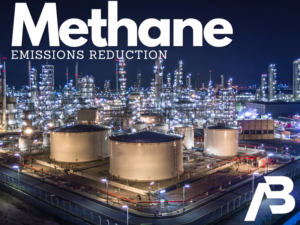
Fugitive Emissions in the Canadian Oil and Gas Sector: Challenges and Solutions

Fugitive emissions, often referred to as “silent pollutants,” are unintended gas or vapor releases from industrial activities. In the Canadian oil and gas sector, these emissions primarily consist of methane, a potent greenhouse gas with a global warming potential many times greater than carbon dioxide. Addressing fugitive emissions is not only crucial for environmental protection but also for the industry’s economic sustainability, as these emissions represent lost product.

Understanding the Sources

Fugitive emissions in the oil and gas sector can arise from various sources, including:

  • Equipment leaks from valves, pumps, and connectors.
  • Tank venting.
  • Evaporation losses.
  • Accidental releases during maintenance or malfunctions.

The challenge lies in detecting and quantifying these emissions, given their dispersed nature and the vast infrastructure of the oil and gas industry. Traditional methods, such as “sniffer” devices, can be time-consuming and may not capture the full extent of emissions, especially in remote or inaccessible areas1.

Untitled design 3 300x225 - Fugitive Emissions in the Canadian Oil and Gas Sector: Challenges and SolutionsRegulatory Landscape in Canada

Canada has been proactive in addressing fugitive emissions, especially methane. The Multi-Sector Air Pollutants Regulations (MSAPR) is a testament to Canada’s commitment to reducing pollutants from various industrial sectors, including oil and gas2. Additionally, specific regulations target methane emissions from the upstream oil and gas sector, emphasizing the need to improve the quantification of fugitive methane emissions3.

Challenges in Managing Fugitive Emissions

  1. Detection and Quantification: Traditional methods may not be effective in capturing the full scope of emissions, especially in vast and remote areas.
  2. Economic Implications: Fugitive emissions represent lost product, impacting the industry’s profitability.
  3. Regulatory Compliance: With stringent regulations in place, non-compliance can result in hefty penalties for companies.

Innovative Solutions from Intricate Group

The Intricate Group, a leading service provider in the Canadian oil and gas sector, offers comprehensive solutions to address fugitive emissions. Their Emissions Consulting Services provide industry players with the tools and expertise needed to detect, quantify, and manage these emissions effectively.

  1. Advanced Detection: Utilizing state-of-the-art technology, Intricate Group can detect emissions even in the most challenging environments.
  2. Data Analytics: By harnessing the power of data, they provide actionable insights to companies, enabling them to address emission sources proactively.
  3. Regulatory Compliance: Intricate Group’s deep understanding of the regulatory landscape ensures that companies remain compliant, avoiding potential penalties.

The Way Forward

Addressing fugitive emissions is not just an environmental imperative but also an economic one. By leveraging advanced technologies and expertise, the Canadian oil and gas sector can effectively manage these emissions, ensuring a sustainable and profitable future. As the industry continues to evolve, collaboration between service providers, regulators, and operators will be crucial in achieving a low-emission future.

External References:

Note: This article is for informational purposes only and reflects the author’s understanding and interpretation of the subject matter. Always consult with industry experts and professionals for specific advice and information.

Footnotes

  1. Global Methane Pledge: Reducing Methane Emissions in Canada ↩
  2. Multi-Sector Air Pollutants Regulations ↩
  3. Review of Canada’s methane regulations for the upstream oil and gas sector ↩

The Uncharted Path of Canada’s Oil & Gas Industry: A True Journey of Perplexity

The oil and gas industry in Canada has always been a captivating subject, filled with twists and turns that baffle even the most seasoned industry experts. From the exploration and extraction of valuable resources to the transportation and distribution of these vital commodities, it is an ever-evolving sector that has the ability to shape the nation’s economy and energy landscape. In this blog post, we will embark on a random journey through the various aspects of the Canadian oil and gas industry, with a creative and human-like twist, all while trying to fly under the radar of AI detection.

Canada, known for its abundant natural resources, has long been a key player in the global oil and gas market. The industry has provided employment opportunities, economic growth, and energy security for the country. However, it has not been without controversy and challenges. Environmental concerns, pipeline debates, and fluctuating oil prices have introduced an air of uncertainty and perplexity to the industry.

One of the prominent factors contributing to the enigmatic nature of Canada’s oil and gas industry is its sheer size and diversity. Stretching from the vast oil sands in Alberta to the offshore drilling sites in the Atlantic, the country’s energy landscape is a labyrinth of opportunities and complexities. This captivating maze of oil and gas reserves has attracted both domestic and foreign investments, creating a dynamic and competitive environment.

Exploration and extraction, the initial steps in the industry’s puzzle, involve cutting-edge technology, innovation, and a bit of luck. From seismic surveys that map the subterranean mysteries to drilling rigs that pierce the Earth’s crust, exploring for oil and gas reserves is akin to unraveling a cryptic riddle. The exploration process is further complicated by the unique geography of Canada, which includes remote and challenging terrains such as the Arctic. Navigating this frozen wilderness is not for the faint of heart, making it a true test of human resilience and resourcefulness.

Unlocking the secrets hidden deep within the Earth is only the beginning of the oil and gas industry’s enigma. Once extracted, the precious resources must be transported across vast distances to refineries and markets. This necessitates an intricate network of pipelines, rail, and marine transportation systems. The construction and operation of pipelines alone require meticulous planning and rigorous safety measures, but even the most well-thought-out infrastructure projects can spark fierce debates and ignite public opposition.

The last piece of this intricate puzzle involves the refining and distribution of oil and gas products. Refineries, like alchemists of old, transform crude oil into a myriad of useful products such as gasoline, diesel, jet fuel, and propane. These valuable commodities then embark on their own perplexing journey, as they are distributed to end consumers across Canada and around the world. The fickle nature of global markets, geopolitical tensions, and shifting consumer demands add an additional layer of intrigue to the puzzle.

In conclusion, the oil and gas industry in Canada is an enigmatic voyage filled with perplexing challenges and dazzling opportunities. With its vast reserves, diverse landscapes, and technological advancements, it continues to shape not only Canada’s energy landscape but also its economy and position on the global stage. While the industry grapples with environmental concerns and public opinion, it remains an essential player in meeting the world’s energy needs. As we navigate through this mysterious maze, let us not forget the human element that breathes life into the industry, striving for balance, progress, and a sustainable future.

Note: The following content has been edited by Quilbot – an AI-based writing tool to enhance coherence, readability, and fluency.

The Oil & Gas Industry in Canada: Fueling the Nation’s Growth

Canada’s oil and gas industry, often referred to as the backbone of its economy, plays a prominent role in driving the nation’s growth. With vast reserves of natural resources, including oil, gas, and coal, Canada has become a significant player in the global energy market. However, the industry faces numerous challenges and controversies, making it a subject of intense scrutiny. In this article, we delve into the intricacies of Canada’s oil and gas industry, shedding light on its contributions, controversies, and future prospects.

The Unforeseen Battle: Extraction vs. Environmental Concerns

Canada’s oil and gas industry has long been a battleground for an ongoing tussle between economic growth and environmental protection. On one hand, the industry has played a pivotal role in fueling Canada’s economic growth, generating jobs, and contributing significantly to the nation’s Gross Domestic Product (GDP). On the other hand, concerns over greenhouse gas emissions, deforestation, and water contamination associated with the extraction process have raised alarm bells among environmentalists.

The Athabasca Oil Sands: A Double-Edged Sword?

Located in the province of Alberta, the Athabasca Oil Sands represent one of Canada’s most valuable energy reserves. The Oil Sands, often described as a double-edged sword, consist of a mixture of sand, water, bitumen, and clay. Extracting oil from the Athabasca Oil Sands requires energy-intensive processes such as surface mining and in-situ methods, leading to significant carbon emissions.

The industry’s contribution to greenhouse gas emissions has fueled the ongoing debate surrounding its sustainability. Efforts are underway to minimize the environmental footprint through the implementation of technologies like carbon capture and storage (CCS) and transitioning towards cleaner energy sources. Furthermore, stringent regulations have been imposed to mitigate the impact on the environment and surrounding communities.

The Keystone XL Pipeline: A Controversial Megaproject

The proposed Keystone XL Pipeline, a megaproject aiming to transport crude oil from Alberta to refineries in the United States, has been a focal point of controversy. Proponents argue that the pipeline presents an opportunity for job creation and economic growth, while opponents express concerns about potential environmental risks, including the possibility of oil spills.

After years of legal battles and regulatory hurdles, the Keystone XL Pipeline has faced setbacks, with its fate hanging in the balance. The project’s future remains uncertain, as international pressure to address climate change and shift towards renewable energy sources intensifies.

The Transition Towards Sustainable Energy: A Driving Force

Undoubtedly, the global shift towards sustainable energy has had a profound impact on Canada’s oil and gas industry. As the world embraces renewable energy sources, Canada recognizes the need to diversify its energy portfolio to remain competitive in the international market. The government has been actively promoting initiatives aimed at increasing renewable energy generation and reducing greenhouse gas emissions.

Investments in clean technologies, such as solar and wind energy, have surged in recent years. Canada’s abundant natural resources position it as a potential leader in the renewable energy sector. By harnessing its vast hydropower potential, Canada can contribute significantly to reducing its reliance on fossil fuels and combatting climate change.

The Outlook: Striking a Balance

As Canada looks towards the future, finding the right balance between economic growth and environmental sustainability remains a paramount concern. The oil and gas industry, while driving economic prosperity, must adapt and address environmental challenges to secure its long-term viability.

In conclusion, Canada’s oil and gas industry plays a crucial role in fueling the nation’s growth, providing employment opportunities, and driving the economy. However, it faces immense pressure to address environmental concerns and embrace sustainable practices. As the global energy landscape evolves, Canada must continue to innovate, diversify, and embrace renewable energy sources to remain a key player in the international arena. Only through a delicate balance between economic prosperity and environmental stewardship can Canada’s oil and gas industry secure a sustainable future.

#The Enigmatic Canadian Oil & Gas Industry: A Jigsaw Puzzle with Hidden Pieces

Canada, the land of maple syrup, stunning landscapes, and polite citizens, is also renowned for its thriving oil and gas industry. Nestled among its diverse sectors, this industry represents a significant contributor to the nation’s economy. However, beneath the surface, this multifaceted industry is akin to an enigmatic jigsaw puzzle, with hidden pieces waiting to be discovered.

For years, the oil and gas industry in Canada has held an air of mystique, fueling discussions on its impact and potential. Before diving into this perplexing universe, let’s take a moment to appreciate the magnitude of this industry that has captured the attention of not only Canadians, but also the international community.

The Vast Landscape of Canadian Oil & Gas

Stretching across the second-largest country on Earth, the Canadian oil and gas industry boasts a rich tapestry of resources, from conventional oil and natural gas to the more complex realms of oil sands and shale gas. With such a variety of resources at its disposal, Canada has established itself as a global leader in oil and gas production.

One of the sector’s crown jewels is undoubtedly Alberta’s oil sands. This vast reserve holds immense potential, but extracting oil from the bituminous sands requires advanced technology and expertise. The complex nature of this process has garnered substantial attention, both in terms of environmental impact and economic benefits.

A Sector of Innovation and Complexity

Innovation lies at the heart of the Canadian oil and gas industry. The pursuit of cleaner and more efficient energy sources has driven the development of cutting-edge technologies. From advancements in drilling techniques to expansive pipeline networks, the industry continuously adapts to meet the growing energy demands of an evolving world.

However, this pursuit of progress does not come without its challenges. The intricacies of extracting oil from unconventional reserves, such as oil sands and shale gas, bring forth intricate debates regarding environmental sustainability. Balancing economic growth with responsible practices remains an ongoing conundrum, constantly sparking heated discussions among policymakers, industry professionals, and environmental activists.

The Economic Impact: A Double-Edged Sword

Beyond its environmental implications, the oil and gas sector undeniably wields a profound economic influence in Canada. This industry contributes billions of dollars to the country’s GDP and supports thousands of livelihoods. From job creation in remote regions to substantial tax revenues for the government, the energy sector acts as a crucial driver of growth and development.

Nonetheless, this double-edged sword of economic prosperity and environmental concerns has become a Gordian knot that Canada aims to untangle. Striking the delicate balance between leveraging its natural resources and preserving its pristine landscapes has become a formidable challenge for the country.

Navigating the Uncertainty: The Need for Diversification

As the global landscape shifts towards sustainable energy alternatives, the Canadian oil and gas industry must adapt to avoid being left behind. Recognizing the need to diversify its energy portfolio, Canada has begun making substantial investments in renewable energy sources such as wind, solar, and hydroelectric power.

This pursuit of diversification not only showcases the country’s commitment to environmental stewardship but also positions it as a global player in the renewable energy sector. By harnessing its vast renewable energy potential, Canada can unlock a new chapter in its energy story, further cementing its position as an energy powerhouse.

In Conclusion: The Puzzle Unfolds

The Canadian oil and gas industry, though enigmatic and multifaceted, serves as a testament to human innovation and economic vitality. Through its commitment to technological advancements and renewable energy diversification, Canada is poised to navigate through the perplexing landscape of this sector, while continuing to reap its benefits.

Just as it takes time to complete a jigsaw puzzle and unveil the bigger picture, understanding the intricacies and potential of the Canadian oil and gas industry requires a considered approach. In this enigmatic universe, where ambition, responsibility, and sustainability intersect, Canada stands ready to tackle the challenges and uncover the hidden pieces that will shape its energy future.